Oil & Gas
 Maritime
 Power Gen
 Chemicals
 Mining
 Sewers
 Cement
 Nuclear
 Infrastructure


 EN
EN


Drone applications for maritime inspections


Elios 3 Drone
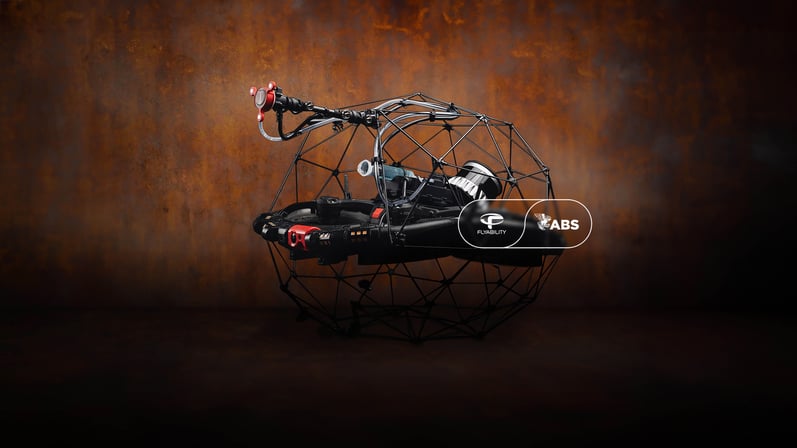
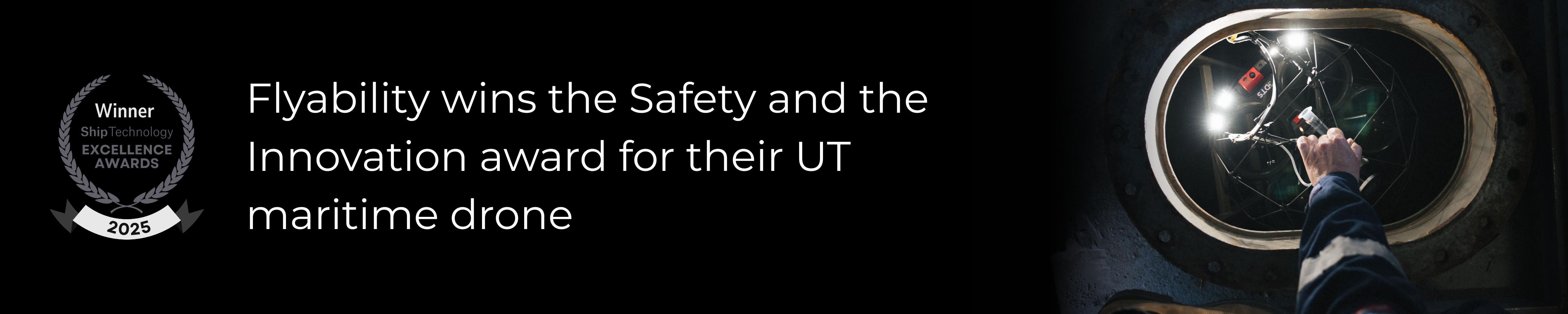
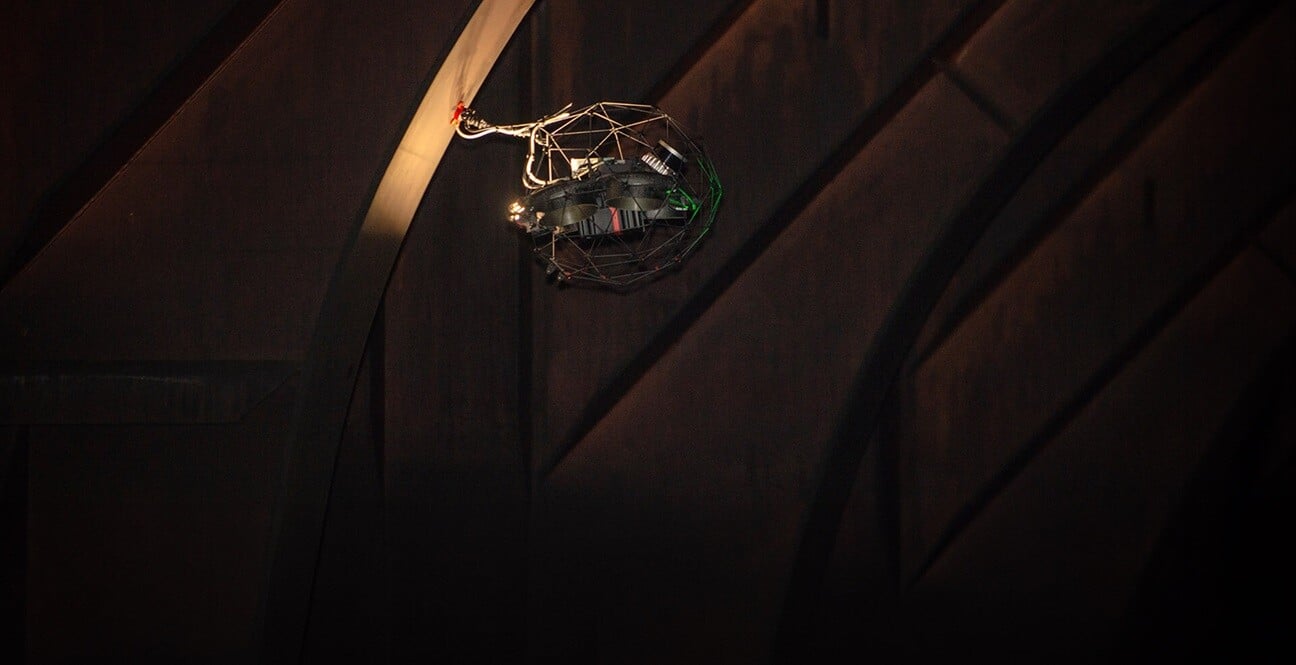
An aerial collision-tolerant inspection platform specifically designed to perform visual and thermal inspections inside confined spaces and hard-to-reach areas of oil tankers and bulk carriers, even in GPS-denied environments. Deploy it in seconds and start collecting data from every corner of your ship with no human entry.

UT Payload
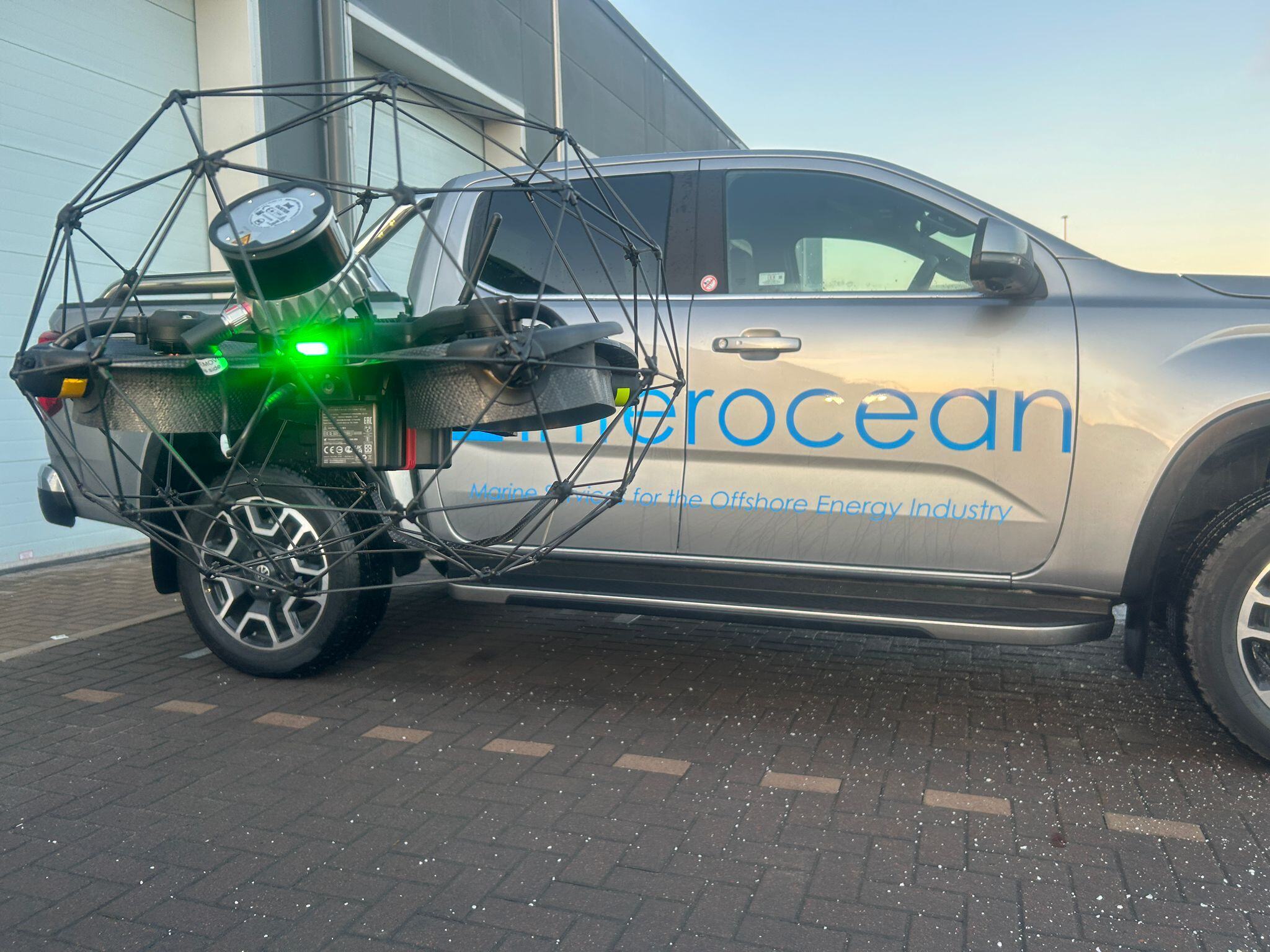
Combined with the Tether Power Unit, the UT Payload allows you to remotely collect up to 250 UTM per hour inside COTs and cargo holds. Easily swap to battery-powered flights to perform UT inspections inside ballast tanks. All data is then precisely localized in a digital twin of your vessel to plan appropriate maintenance without the need for human entry or extensive scaffolding.

Inspector Software
Flyability’s integrated data analysis tool used for managing, analyzing, and reporting the data captured with the drone, providing the maintenance teams with precise data and more informed decision-making. Easily compare data over time to see the evolution of defects and know when to act. Integrate UTM and LiDAR data to localize every measurement.
Elios 3 Drone
An aerial collision-tolerant inspection platform specifically designed to perform visual and thermal inspections inside confined spaces and hard-to-reach areas of oil tankers and bulk carriers, even in GPS-denied environments. Deploy it in seconds and start collecting data from every corner of your ship with no human entry.
UT Payload
Combined with the Tether Power Unit, the UT Payload allows you to remotely collect up to 250 UTM per hour inside COTs and cargo holds. Easily swap to battery-powered flights to perform UT inspections inside ballast tanks. All data is then precisely localized in a digital twin of your vessel to plan appropriate maintenance without the need for human entry or extensive scaffolding.
Inspector Software
Flyability’s integrated data analysis tool used for managing, analyzing, and reporting the data captured with the drone, providing the maintenance teams with precise data and more informed decision-making. Easily compare data over time to see the evolution of defects and know when to act. Integrate UTM and LiDAR data to localize every measurement.

Safer and more efficient class inspections with BV
The maritime and offshore sectors face unique challenges when it comes to asset integrity. Vessels are under constant threat of corrosion and structural damage. Traditional inspections of cargo holds, COTs, ballast tanks, FPSOs, and offshore platforms often require scaffolding, rope access, or sending personnel into hazardous, confined spaces. By combining Flyability’s specialized collision-tolerant drones with Bureau Veritas’s extensive inspection framework, the partnership will deliver a safer, faster, and more cost-effective alternative.
Learn More
Avoiding 15,000 hours of work at height for hull inspections
Instead of relying on traditional labor-intensive methods, C-Bird used the UT probe with their 2 Elios drones to complete the inspection of the 12 oil tanks. They completed the inspections with the guidance of a class inspector who provided information about what needed to be tested. This drone-based inspection method was much faster than the typical scaffolding approach; once the equipment is onboard the ship, the UT inspection can begin immediately - a huge saving compared to the thousands of hours associated with scaffolding.
Learn More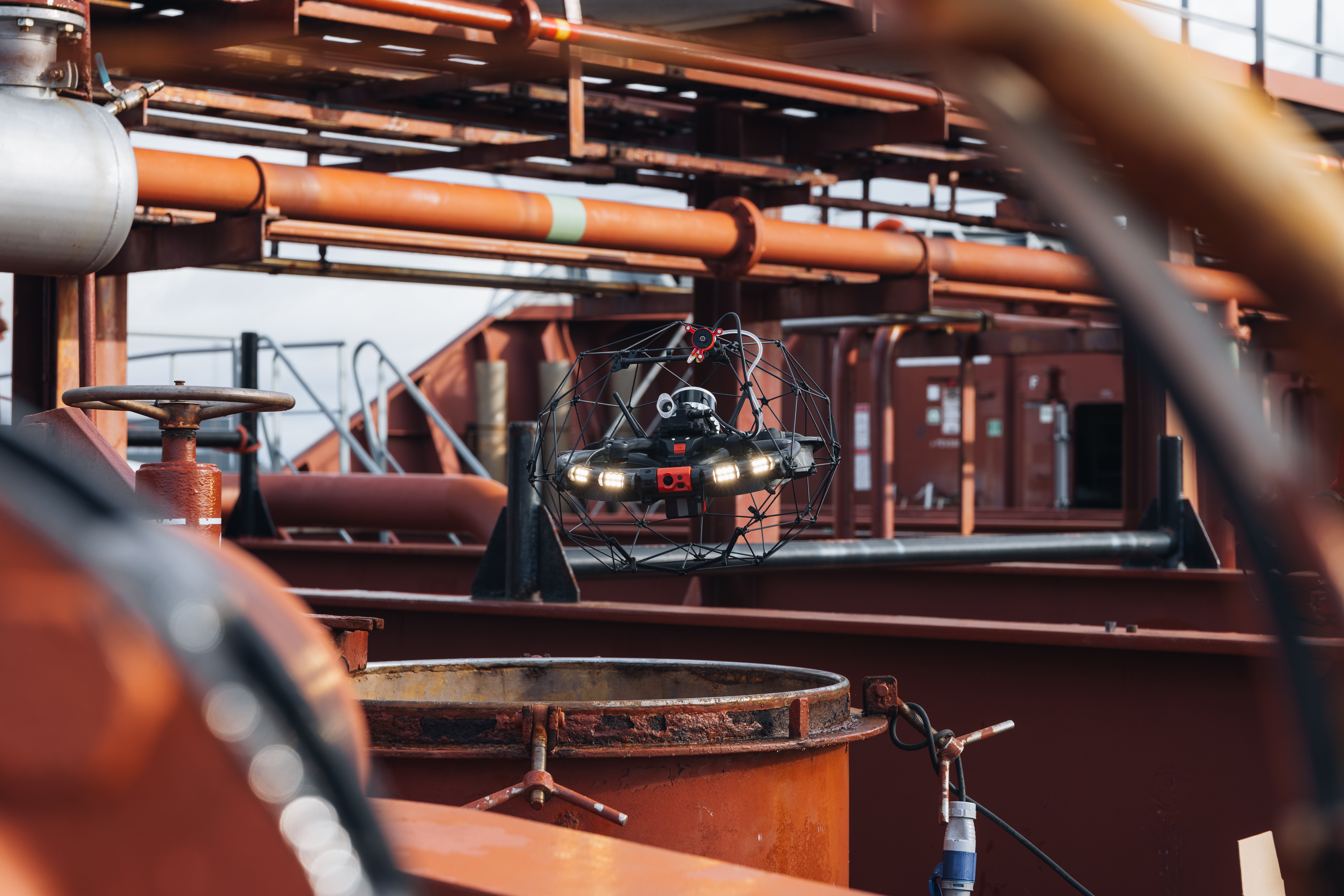

Saving $600,000 on COT inspections with the Elios 3 UT
The Elios 3 drastically reduced the inspection time of each COT. It took just 7 days to inspect 14 tanks. The team could inspect an entire tank in just half a day without any confined space entry or scaffolding. This would not be possible using conventional means of access, which could take as much as 1 week per tank to stage and inspect a COT with scaffolding. As a result, Cyberhawk completed the inspection of this tanker 6 times faster than it would have been completed in the past. Their efficiency and accuracy of results brought huge savings to the ship owner through reduced labor downtime.
Learn More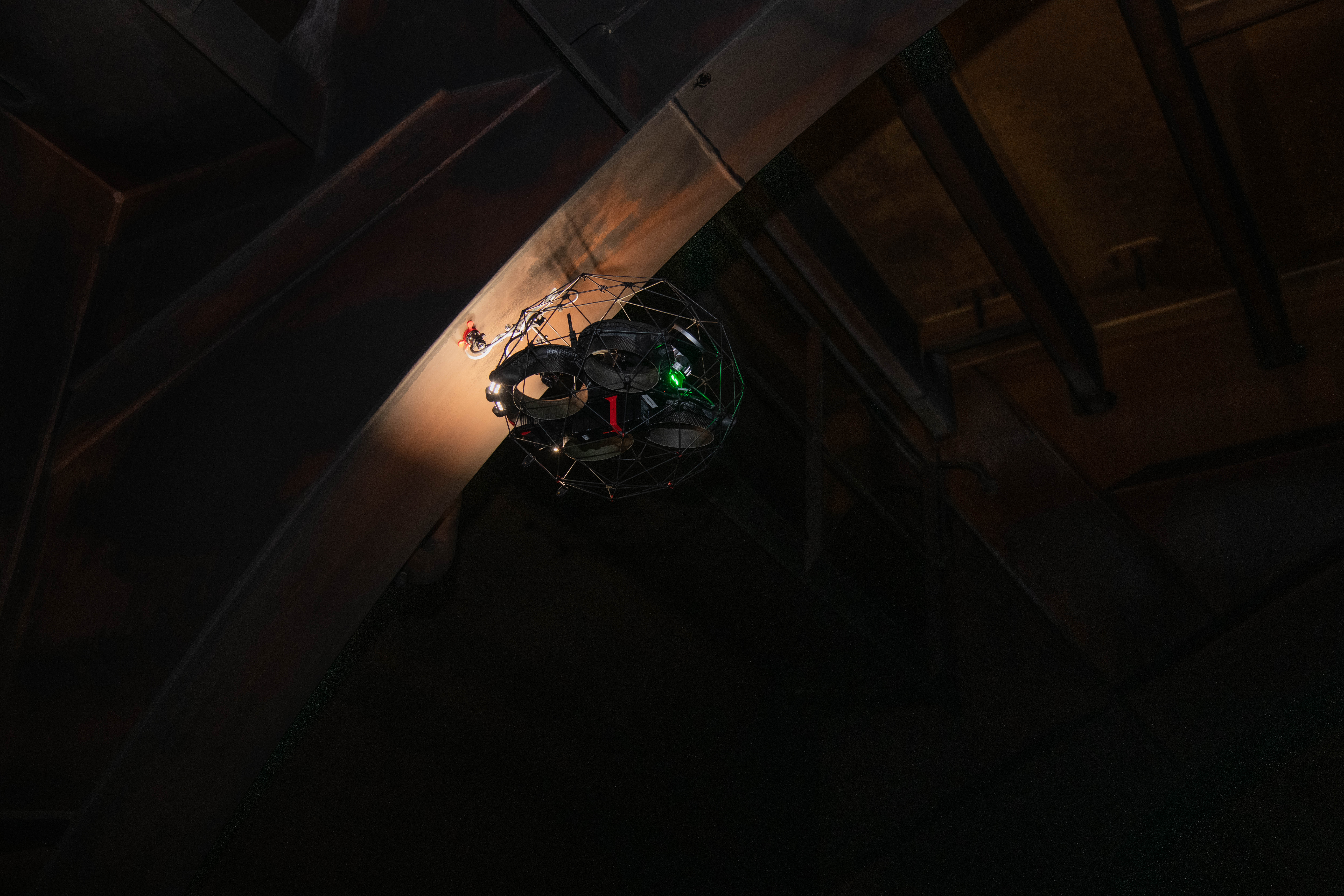

The ROG shipyard is more competitive thanks to drones
ROG is a ship repair yard based in Rotterdam, and in the last few years they have been hiring 3DTS and their Elios 3 drone to perform several inspections at their shipyard. Frequent drone inspections they conduct include: pre-repair inspections, vetting inspections, and after mobilization inspections. Some of the main reasons include speed, safety, and cost-efficiency, which help them stay competitive in today's market. In this video, Hanna from ROG explains how using drone-based inspections has helped them save time, reduce risk, and improve repair workflows.
Safer and more efficient class inspections with BV
The maritime and offshore sectors face unique challenges when it comes to asset integrity. Vessels are under constant threat of corrosion and structural damage. Traditional inspections of cargo holds, COTs, ballast tanks, FPSOs, and offshore platforms often require scaffolding, rope access, or sending personnel into hazardous, confined spaces. By combining Flyability’s specialized collision-tolerant drones with Bureau Veritas’s extensive inspection framework, the partnership will deliver a safer, faster, and more cost-effective alternative.
Learn More
Avoiding 15,000 hours of work at height for hull inspections
Instead of relying on traditional labor-intensive methods, C-Bird used the UT probe with their 2 Elios drones to complete the inspection of the 12 oil tanks. They completed the inspections with the guidance of a class inspector who provided information about what needed to be tested. This drone-based inspection method was much faster than the typical scaffolding approach; once the equipment is onboard the ship, the UT inspection can begin immediately - a huge saving compared to the thousands of hours associated with scaffolding.
Learn More
Saving $600,000 on COT inspections with the Elios 3 UT
The Elios 3 drastically reduced the inspection time of each COT. It took just 7 days to inspect 14 tanks. The team could inspect an entire tank in just half a day without any confined space entry or scaffolding. This would not be possible using conventional means of access, which could take as much as 1 week per tank to stage and inspect a COT with scaffolding. As a result, Cyberhawk completed the inspection of this tanker 6 times faster than it would have been completed in the past. Their efficiency and accuracy of results brought huge savings to the ship owner through reduced labor downtime.
Learn More
The ROG shipyard is more competitive thanks to drones
ROG is a ship repair yard based in Rotterdam, and in the last few years they have been hiring 3DTS and their Elios 3 drone to perform several inspections at their shipyard. Frequent drone inspections they conduct include: pre-repair inspections, vetting inspections, and after mobilization inspections. Some of the main reasons include speed, safety, and cost-efficiency, which help them stay competitive in today's market. In this video, Hanna from ROG explains how using drone-based inspections has helped them save time, reduce risk, and improve repair workflows.
Using NDT drones for ship inspections
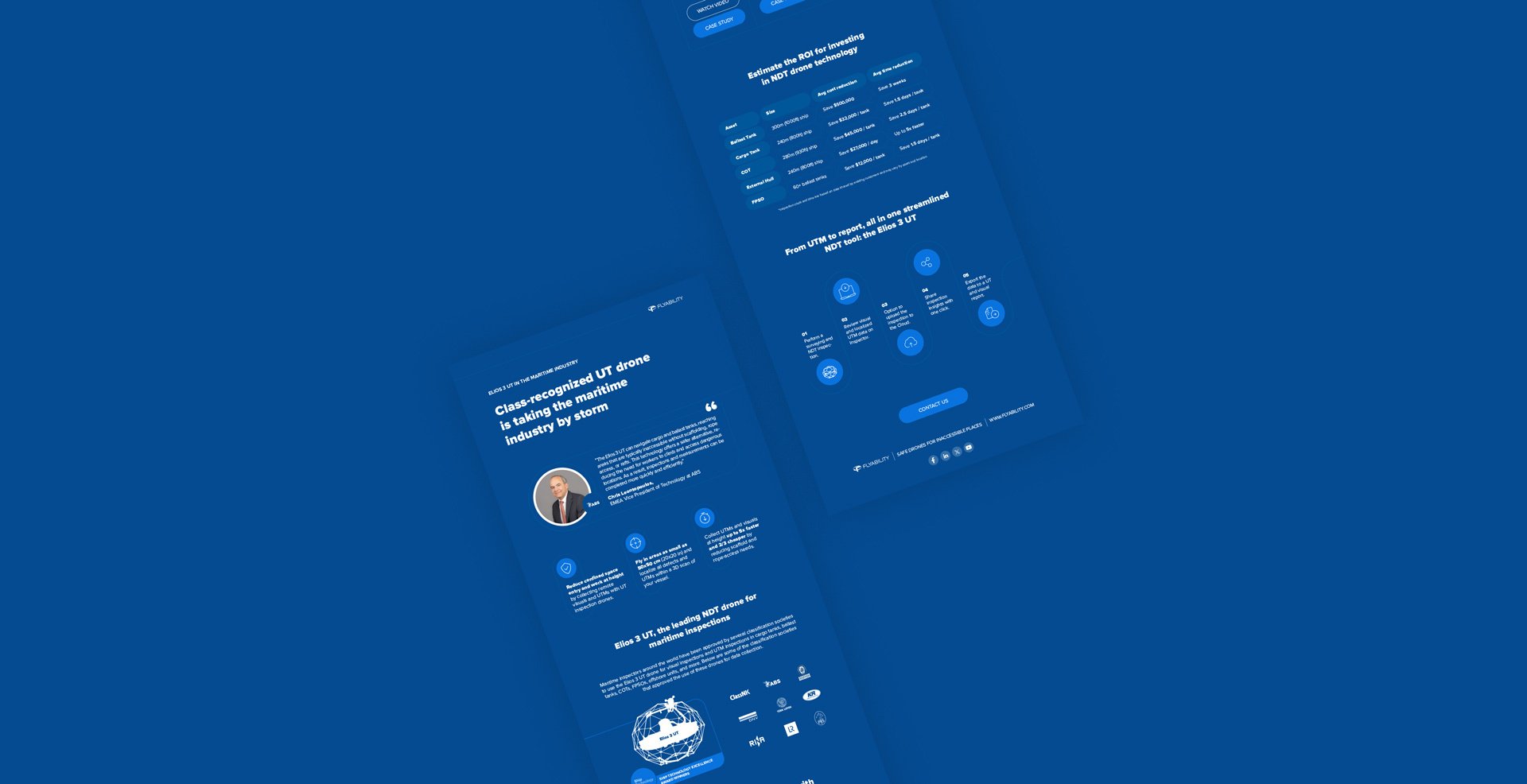
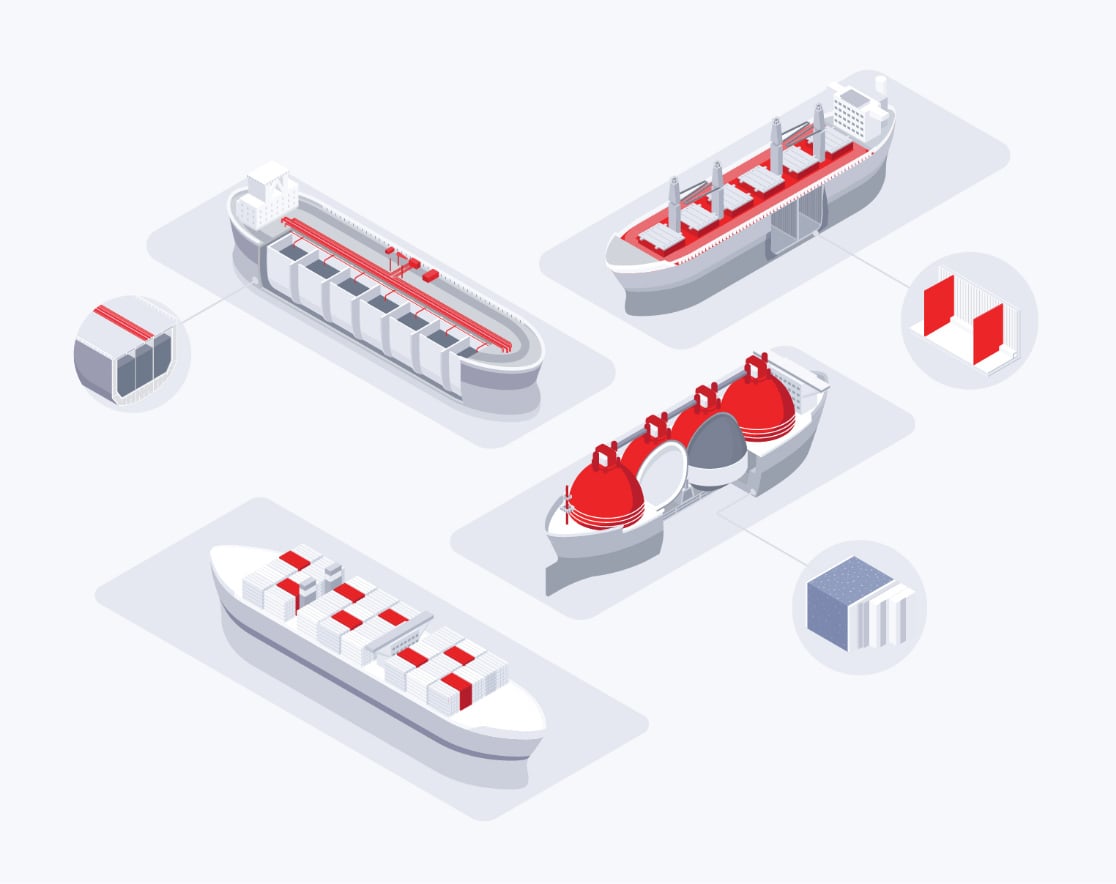
Remote inspection technologies (RITs) are considered an alternative means of access, helping reduce safety risks to the Surveyor working at heights or in enclosed and confined spaces. ABS tested, assessed, and accepted the Elios 3 UT as a data collection tool for class inspections across four separate tests onboard a chemical tanker, oil tanker, bulk carrier, and container vessel.
Learn More