Oil & Gas
 Maritime
 Power Gen
 Chemicals
 Mining
 Sewers
 Cement
 Nuclear
 Infrastructure
.svg) Transportation
Transportation


 EN
EN


Drone applications for nuclear inspections


Elios 3
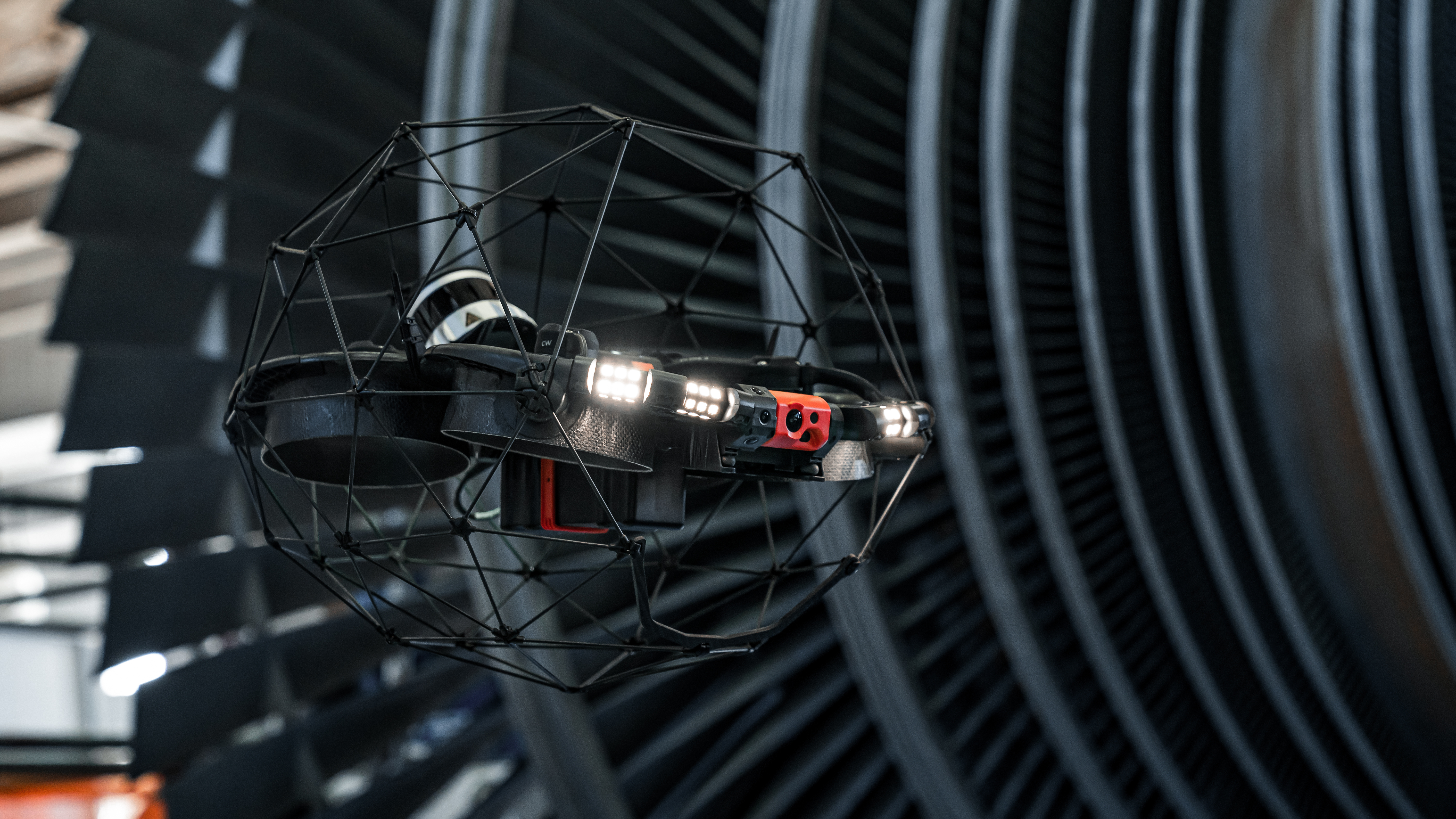
A collision-tolerant inspection platform specifically designed to perform visual and thermal inspections inside confined spaces and hard-to-reach areas of a power plant, even where GPS is denied, and dust is significant. Deploy it in seconds and start collecting data from every corner with no human entry.
Learn more about Elios 3 →

RAD Payload
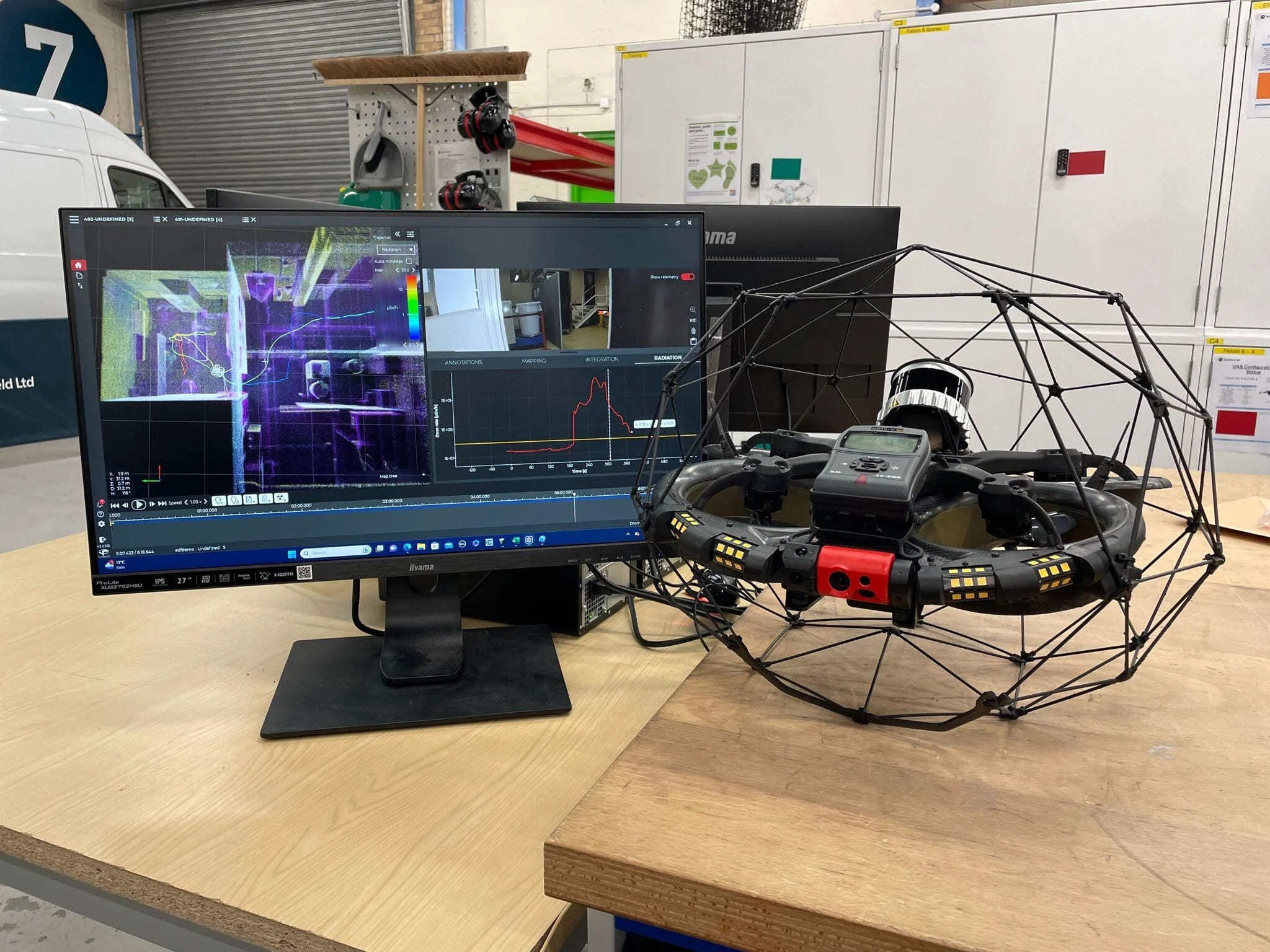
Integrates on the Elios 3 a Mirion radiation sensor (Mirion RDS-32™ WR) to remotely detect current and cumulative dose rates in hard-to-reach areas. By combining LiDAR mapping with real-time sensing, it allows operators to identify radiation "hot spots" safely, significantly reducing human exposure and streamlining ALARA-compliant inspections.
Learn more about the RAD Payload →

Inspector Software
Integrated data analysis tool used for managing, analyzing, and reporting the data captured by the drone, providing the maintenance teams with precise data and more informed decision-making. Easily compare data over time to see the evolution of defects and know when to act. Integrate radiological and LiDAR data to create colourized drone paths based on dose rates and empower dose planning.
Learn more about the Inspector Software →
Elios 3
A collision-tolerant inspection platform specifically designed to perform visual and thermal inspections inside confined spaces and hard-to-reach areas of a power plant, even where GPS is denied, and dust is significant. Deploy it in seconds and start collecting data from every corner with no human entry.
Learn more about Elios 3 →
RAD Payload
Integrates on the Elios 3 a Mirion radiation sensor (Mirion RDS-32™ WR) to remotely detect current and cumulative dose rates in hard-to-reach areas. By combining LiDAR mapping with real-time sensing, it allows operators to identify radiation "hot spots" safely, significantly reducing human exposure and streamlining ALARA-compliant inspections.
Learn more about the RAD Payload →
Inspector Software
Integrated data analysis tool used for managing, analyzing, and reporting the data captured by the drone, providing the maintenance teams with precise data and more informed decision-making. Easily compare data over time to see the evolution of defects and know when to act. Integrate radiological and LiDAR data to create colourized drone paths based on dose rates and empower dose planning.
Learn more about the Inspector Software →

Using radiometric drones at nuclear power plants
With the Elios 3 RAD, EDF was able to collect visual, LiDAR, and radiometric data, while also performing thickness measurements (UT) in complex confined spaces, without exposing humans to radiation or requiring complex structures such as scaffolding. This helped EDF make their inspections safer, faster, and more qualitative, improving overall decision-making.
Case Study
Using drones for condenser inspections at nuclear plants
Using the Elios 3 to inspect the 20-meter-high condensers (65 feet) has streamlined inspection workflows for the Dominion Energy site and massively reduced the inspection time. It has cut the process from taking over a week to just 2 shifts. Using the drone has helped keep inspectors safe, as well as deploy resources more efficiently and collect higher-quality data.

Case Study
Using drones to map a nuclear plant under decommissioning
Personnel at a decommissioned power plant owned by Vattenfall used the Elios 3 to create 3D models inside a "no-go" zone, improving their understanding of an area where it wasn’t safe for people to enter. The Elios 3 allowed the team to remotely assess the condition of an asset in minutes and collect the necessary data with a team of just two.
Learn MoreCase Study
Using drones to inspect high-dose steam generators
By utilizing the Elios 3 radiometric drone, plant operators at this Swiss nuclear plant were able to collect essential visual and dosimetry data from the air, inside critical areas like the reactor building, and managed to get a close-up look at the steam generator. While performing the inspection, the Elios 3 reached dose levels of over 500 mSv (10 rem).
LEARN MOREUsing drones for turbine deck hot-spot detection
The Elios 3 RAD uses an integrated Mirion dosimiter to remotely detect and measure current and cumulative dose rates in areas like turbine decks. This drone also uses imbedded LiDAR technology to autonomously localize radiation sources, creating high-resolution 3D maps of dose rates in hazardous or inaccessible environments.
Learn More
Case Study
Using drones to map a nuclear plant under decommissioning
Personnel at a decommissioned power plant owned by Vattenfall used the Elios 3 to create 3D models inside a "no-go" zone, improving their understanding of an area where it wasn’t safe for people to enter. The Elios 3 allowed the team to remotely assess the condition of an asset in minutes and collect the necessary data with a team of just two.
Learn More