Oil & Gas
 Maritime
 Power Gen
 Chemicals
 Mining
 Sewers
 Cement
 Nuclear
 Infrastructure
.svg) Transportation
Transportation


 EN
EN
Drone Inspection Cuts 300 Hours of Work During Emergency Shutdown
When a coal power plant in Australia had an emergency shutdown, Drone Elevation was asked to inspect the furnace with drones, and using the Elios 3, they cut over 300 hours of confined space inspection time.
Benefits In A Nutshell
|
Speed Using the Elios 3 to inspect coal burners saved the team over 300 hours of work in confined spaces. |
Safety Eliminating work in confined spaces improves the safety of inspections by cutting exposure to the risks associated with these environments. |
|
Resource Allocation The Elios 3 remotely identified that only 9 of 25 coal burners needed to be removed for maintenance work. In the past, with no other means of initial inspection, all 25 would be unmounted for the inspection. |
Cost Savings By cutting time spent on inspections and confined entry, the use of the Elios 3 reduced inspection costs. A single instance of confined entry can cost as much as $5,000 AUD for the safety and compliance checks - whereas using the Elios 3 to enter that same space doesn’t require any additional costs. |
An emergency shutdown at a power plant grinds everything to a halt. During a planned shutdown, the delicate balance of getting powered up as quickly as possible while completing critical repair work is a headache to manage, and unplanned shutdowns take this to a new level.
Drone Elevation, a drone service provider based in Australia, routinely works with energy facilities to conduct inspections with remote solutions. When a government-owned coal power plant shut down due to equipment failure, the Drone Elevation team was asked if they could complete some routine inspections while the repair work was ongoing. The site managers wanted to utilize the unplanned shutdown to get a condition assessment of other assets on-site, making the most of the downtime. Drone Elevation didn’t hesitate, and equipped with an Elios 3, they began their inspections.
Challenges of inspecting powerplant equipment
This coal power plant produces 340 MW of energy by generating 996 tons of steam to drive turbine and generator. During the emergency shutdown, Drone Elevation was tasked with inspecting the furnace. Heat from the furnace is used to convert water to steam and spin the turbines, making it a core part of the power plant’s operations. Reaching temperatures of 1,700 degrees Celsius (3,100 Fahrenheit), the furnace has 25 burners within it that help get it up to temperature.
Traditional inspections of furnaces involve a monumental amount of work and time. Per Coal Burner, it takes 24 hours to remove the asset, calling for 2 crews of 5 people working 12-hour shifts. A full inspection of the entire furnace’s burners takes up to 600 hours of work. At this site, the owner wanted to determine if the ceramic edge tiles (special tiles that support combustion to help lower the Knox gases being released to be within permissible limits) were still intact. By utilising a drone, this could be determined easily and safely within minutes. Other reference information gathered during these inspections includes swirler fouling, earth rod length for oil lighter pulse igniter ignition, and the refractory condition for each coal burner. Each burner has a visual assessment along with some UT measurements that are added to a database. An evaluation of each burner based upon visual and measurement is then made to determine if components need to be replaced before it is returned to position or maintenance work is completed. Special lifting equipment and scaffolding are required, and each time the confined space is entered for a day of work, it costs up to $5,000 AUD to complete the safety assessments and secure the necessary permits.
If Drone Elevation could propose a remote method of visually inspecting the burners, then the site could determine which burners actually needed maintenance work and to be removed, and which ones could stay in place until the next shutdown. This would potentially save hundreds of hours of work and thousands of Australian dollars. Drone Elevation took on the challenge, choosing to use the Elios 3 for the remote inspection.
.jpg?width=1078&height=723&name=Elios%203%20in%20action%20(4).jpg)
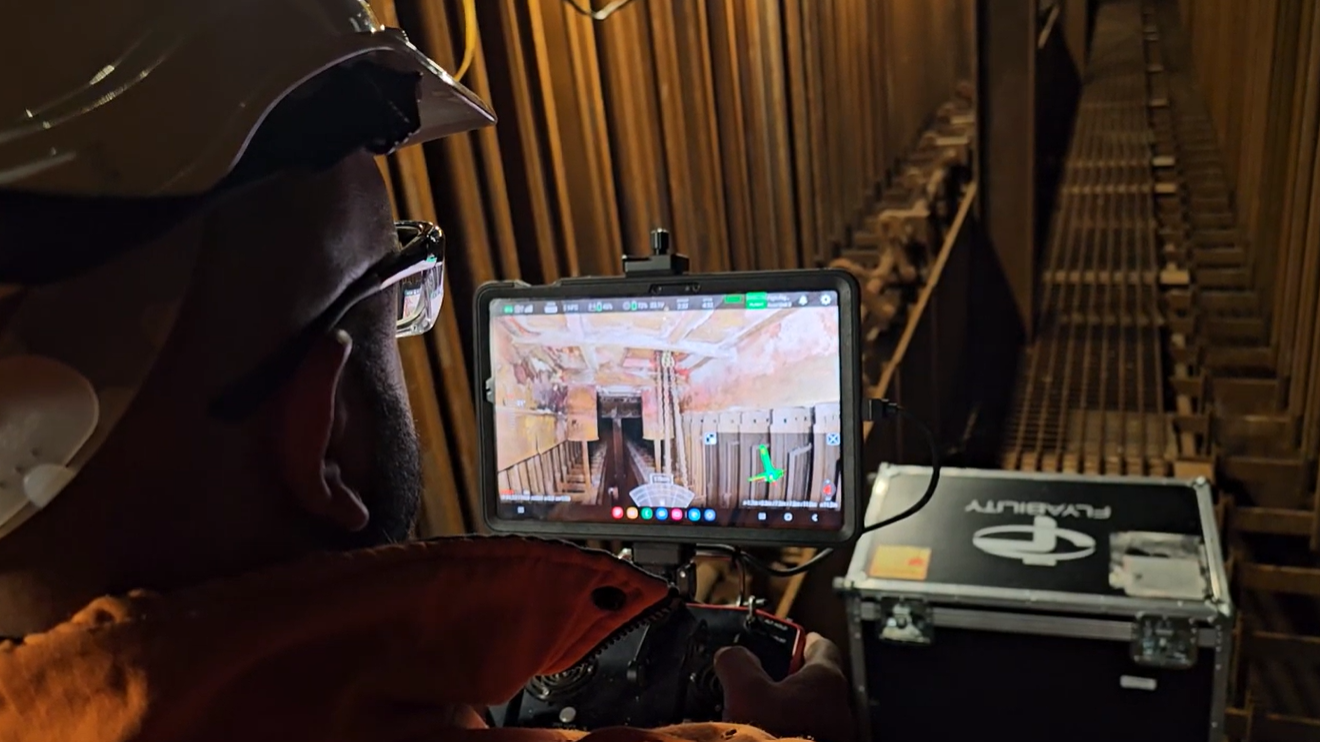
The Elios 3 offers remote access to confined spaces, making it ideally suited for inspections like this
How can you use the Elios 3 to inspect a coal burner?
The Drone Elevation team highlighted several key features of the Elios 3 solution that made it appropriate for this inspection:
- Access - Coal powerplant furnaces can be filled with dust and fouling, and access to the space is strictly controlled due to the confined space hazards. The Elios 3 makes it possible to complete detailed inspections without risks to inspectors, providing visual and UT inspections remotely.
- Data Collection - The Elios 3 is equipped with multiple payloads, including a 4K camera for close visual inspections, a laser scanner, and an ultrasonic thickness payload. This means the Elios 3 can collect 3 types of data simultaneously, providing detailed insights that would typically require multiple types of equipment to gather.
- Speed - The ease of flying the Elios 3 combined with the quality of its data collection means that inspections with the drone can take just minutes or hours, instead of days as some traditional methods require. This efficiency is crucial for projects where time is under pressure, as with many power plant inspections.
Alongside the drone’s collision-tolerant design and custom software suite, the Elios 3 offered Drone Elevation a complete solution for the task at hand that impressed the client. It is one of the leading solutions for these types of inspections in the world - and forever improving thanks to the addition of new payloads and software updates.
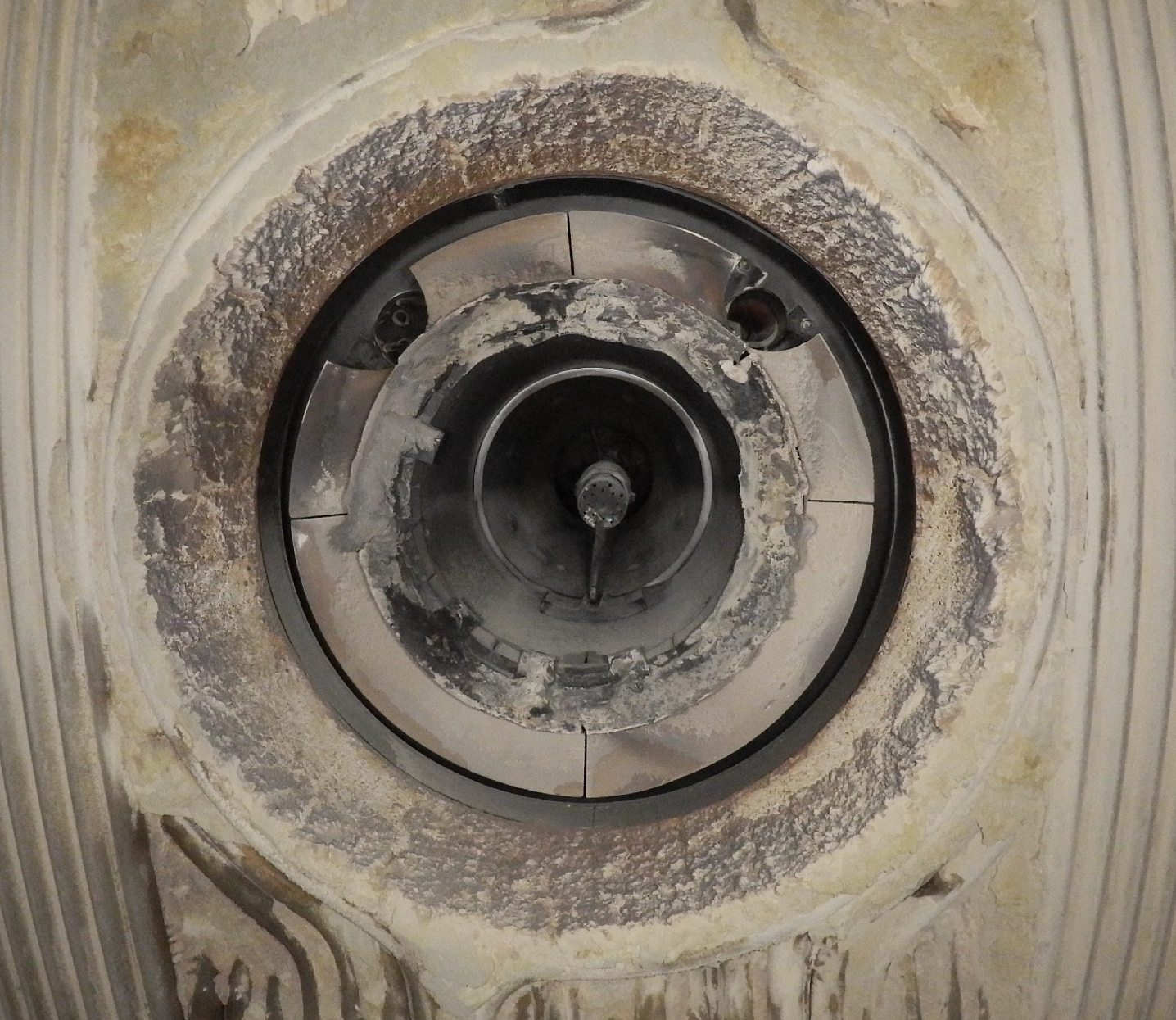
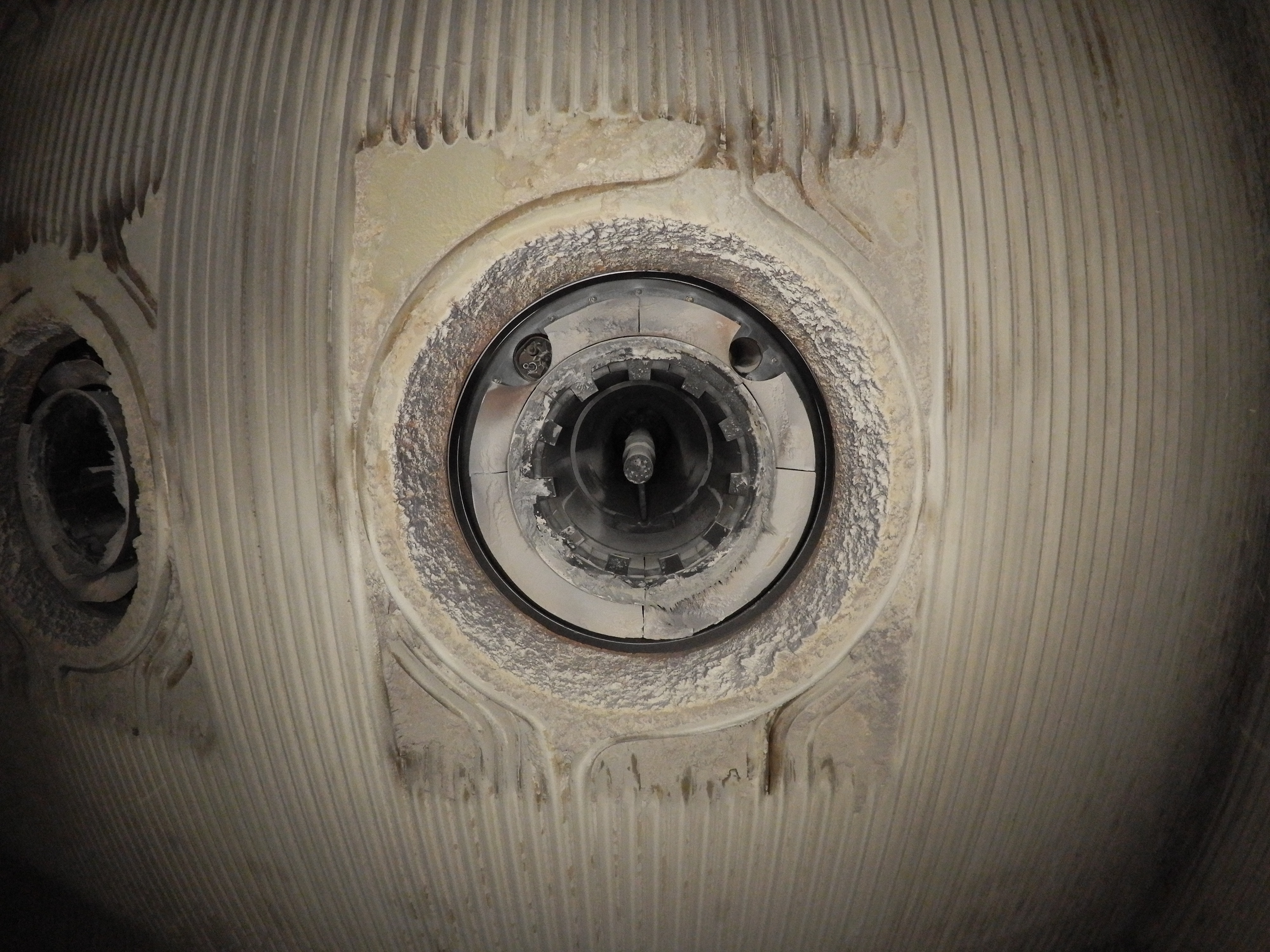
Seeing the asset up close: the Elios 3 can quickly fly in and around the burner, spotting damage as is the case for this burner
Inspecting furnace burners with the Elios 3 drone
Drone Elevation determined that had the furnace been operational, it would have taken around 24 hours for the environment to cool enough for the Elios 3 to be deployed. In this case, because the plant was in shutdown, they could immediately start collecting data.
Using the Elios 3’s 4K video feed, they conducted visual inspections of each of the 25 burners. The drone’s specialized lighting helped them identify clinker buildup and check for defects. With that video feed, the plant managers determined that only 9 of the 25 burners needed to be removed for additional inspections and/or maintenance. This immediately saved 16 sets of 24-hour shifts for the burners that were inspected and didn’t need to be removed.
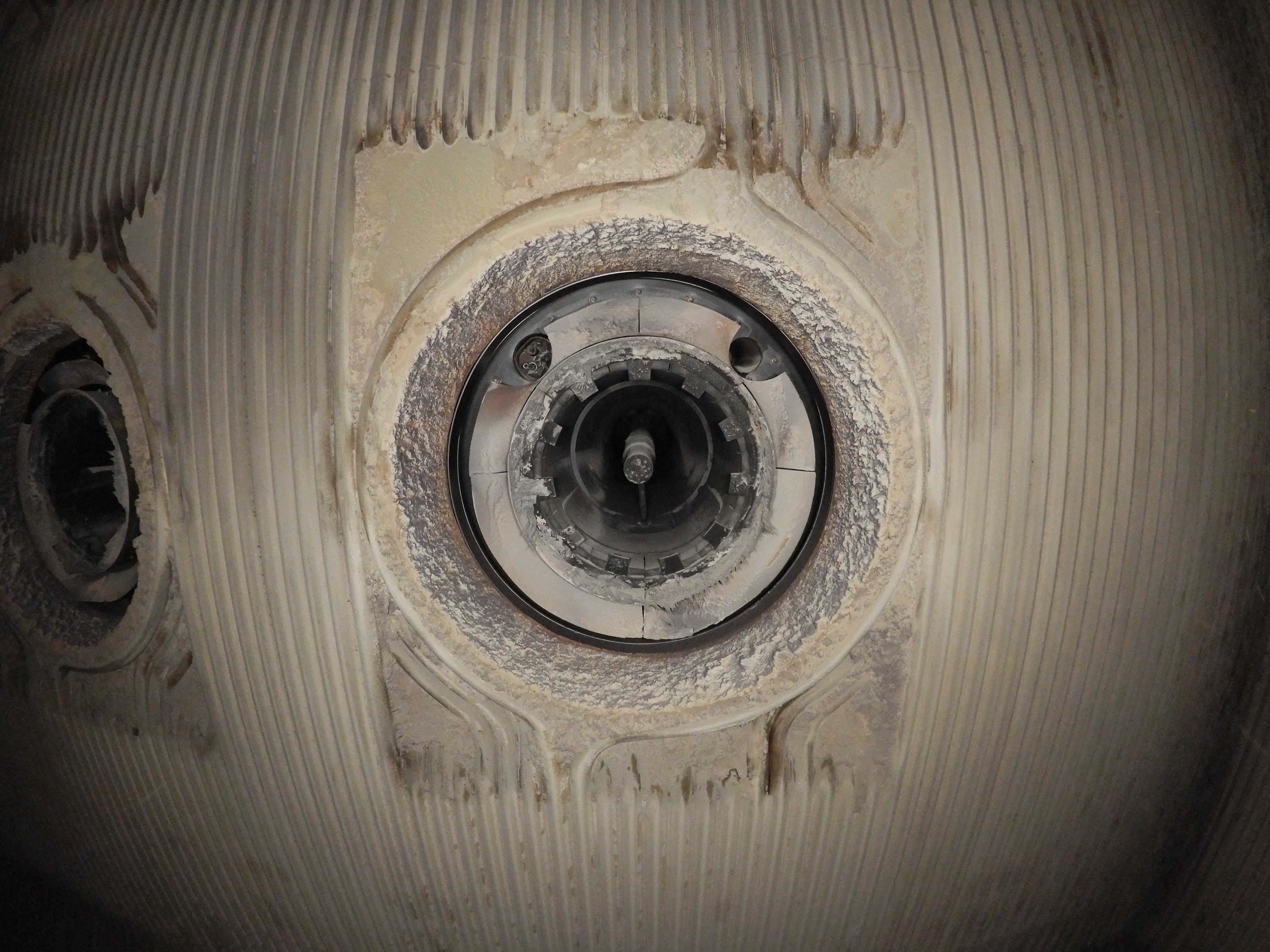
The Elios 3 can help identify defects quickly, saving time on dismounting each individual burner
In addition, the video feed from the Elios 3 informed the plant managers about the conditions inside the confined space, helping them determine the level of precautions required to go into that space and pre-warn the maintenance teams before any confined entry.
Setting up the path for regular drone inspections at a coal power plant
The results provided by Drone Elevation were incredibly helpful to the power plant management team, saving 384 hours worth of work by cutting the number of burner inspections. This cuts unnecessary costs and frees up resources to be deployed for other critical tasks during a shutdown. The end result from Drone Elevation’s intervention was improved safety, better resource allocation, and clear results that will have contributed to minimizing turnaround time.
Going forward, Drone Elevation looks forward to taking on more projects like this at power plants. Their expertise in drone inspections, both indoor and outdoor, is helping industrial sites achieve goals related to safety, efficiency, and cost.
Learn more about the Elios 3 solution for power generation inspections!


.jpg)
-Jan-16-2026-10-59-56-8006-AM.png)
.jpg)
.png)