Oil & Gas
 Maritime
 Power Gen
 Chemicals
 Mining
 Sewers
 Cement
 Nuclear
 Infrastructure
.svg) Transportation
Transportation


 EN
EN
Flyability and MaDfly Perform the First UAV Inspection of Methanol Fuel Tanks Onboard a Container Ship
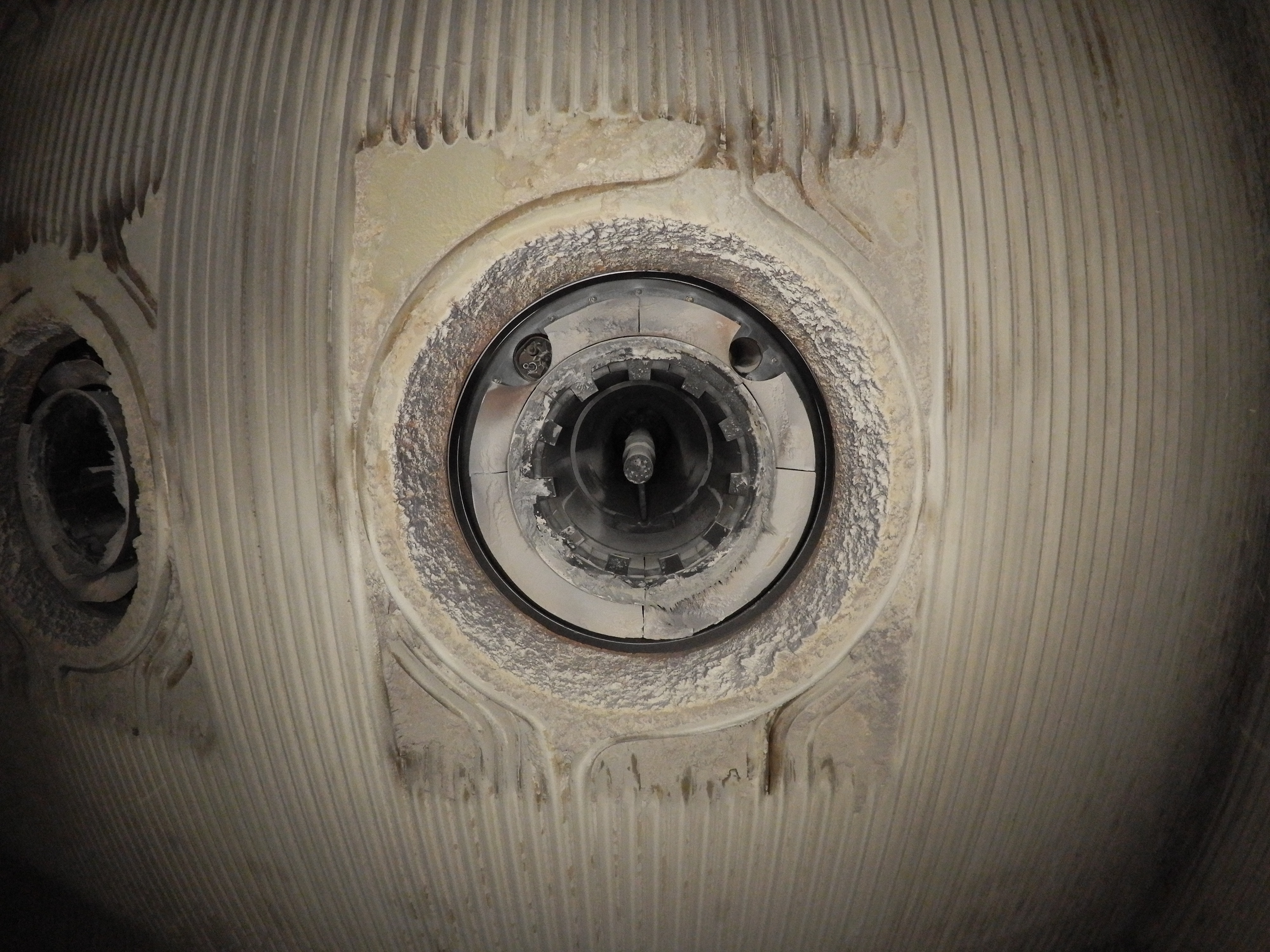
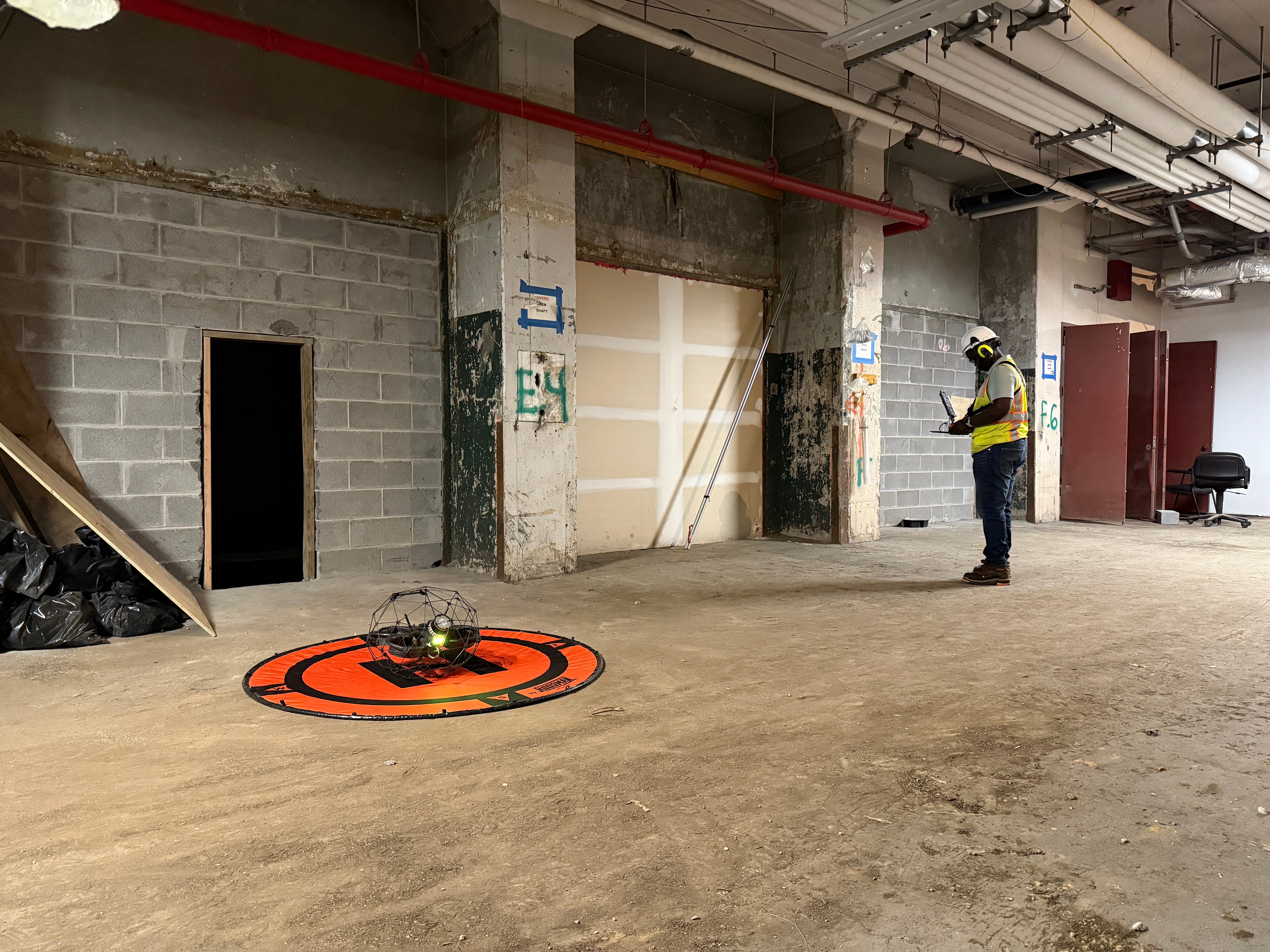
Maritime drone service provider MaDfly and Flyability, together with a leading container ship operator and classification societies ABS and Lloyd’s Register, have successfully completed the first drone-based inspection trial of an inert methanol fuel tank onboard a container ship using the Tethered Elios 3 UT.
Benefits In A Nutshell
|
Safety The use of a remotely operated UAV allowed the methanol fuel tanks to be inspected with no human entry or scaffolding. |
Downtime The full inspection of the fuel tanks was done in under 2 hours using the Elios 3 UT and Tether Power Unit without having to gas-free the ship. |
|
Data Quality The Elios 3 UT was able to collect all of the visual and UTM data required inside the tanks, which was validated by ABS and LR surveyors. |
Access The inspection was conducted remotely from the deck of the container ship while keeping the tanks inert for safe operation. |
Container ships are responsible for transporting huge quantities of goods around the world, but with the growing pressure on decarbonization for the maritime industry, methanol has emerged as a primary alternative to traditional hydrocarbons. Yet, this evolution brings new operational complexities, requiring innovative approaches to the inspection and maintenance processes of methanol fuel tanks.
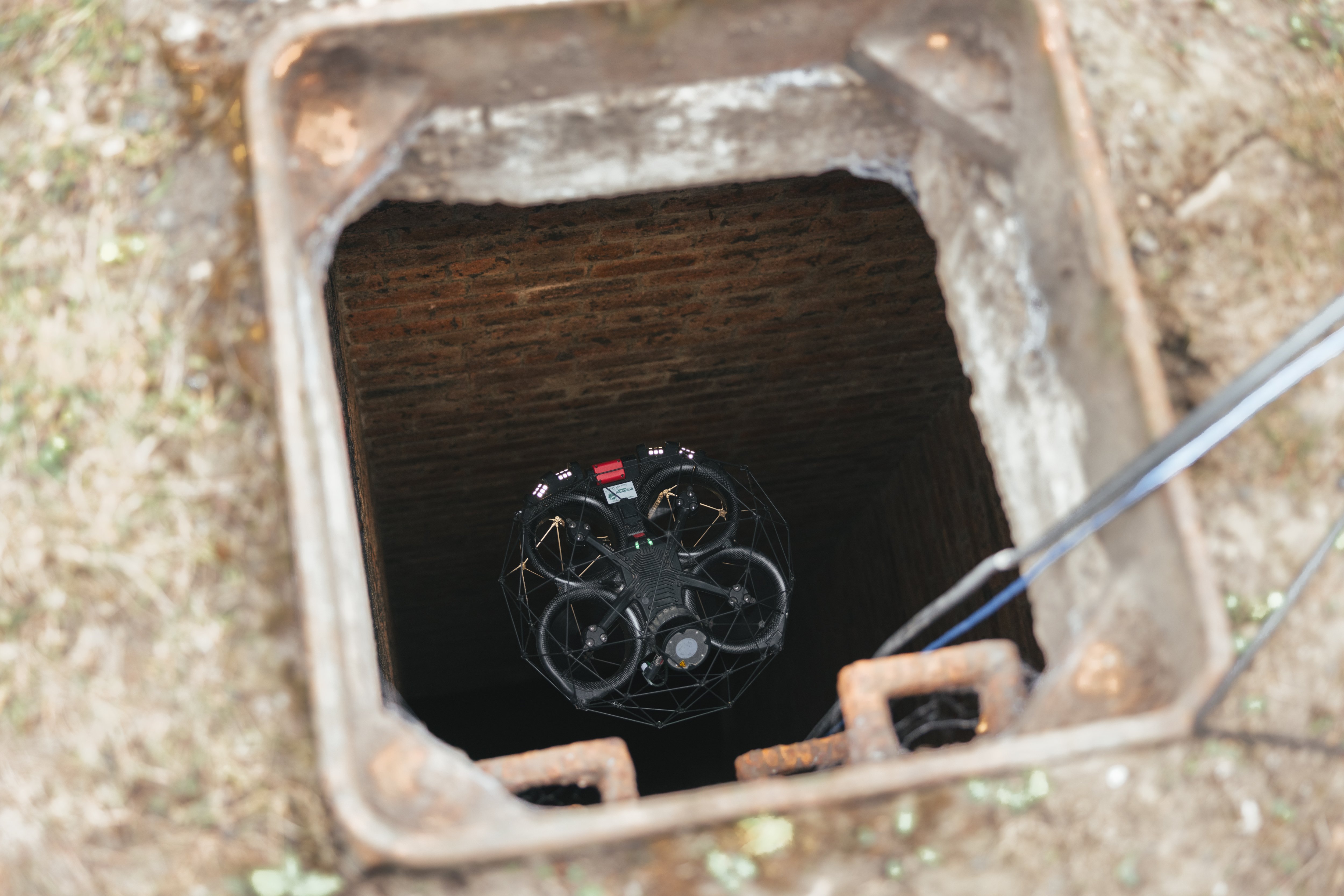
Traditional tank inspection methods require extensive tank cleaning, ventilation, and risky personnel entry. However, with the development of advanced Maritime UAVs, it has now become possible to inspect these tanks remotely, without requiring any human entry, and allowing faster recommissioning after the inspection. A particularly important step of the inspection of methanol tanks with drones is inerting, which involves introducing inert gas into a tank to reduce the oxygen content to less than 5-8% by volume, creating an inert condition. This minimizes the risk of combustion during inspection and maintenance operations. The drone is then able to safely fly inside the tanks to conduct the necessary structural assessment.
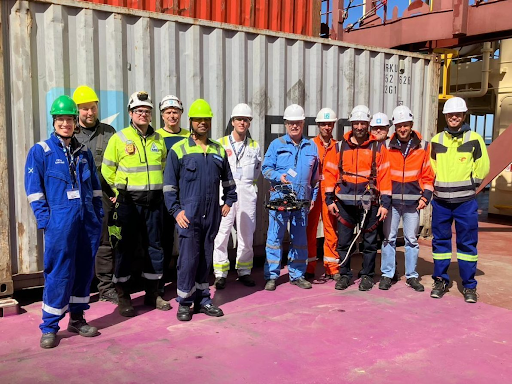
Members from Flyability, MaDfly, Maersk, ABS, Lloyd’s Register, and MTL after a drone inspection.
Container Ship Inspection with UT Drone
The trial tank inspection was successfully completed with the Elios 3 UT and Tether Power Unit on April 24th 2026, in Gdansk, Poland, on board the container ship and in the presence of representatives from both ABS and LR classification societies. The operation marked a major milestone in maritime safety, proving that inert tanks can be thoroughly and safely inspected in under two hours without requiring human entry into dangerous, enclosed spaces.
“I am very happy with the results of this trial, which I believe has clearly shown that modern drone technology makes it possible to efficiently inspect low-flashpoint fuel tanks on our Net Zero methanol-fuelled vessels with high-quality results and increased safety compared to traditional inspection,” said Bjorn Ola Stråby, Senior Lead Naval Architect at Maersk.
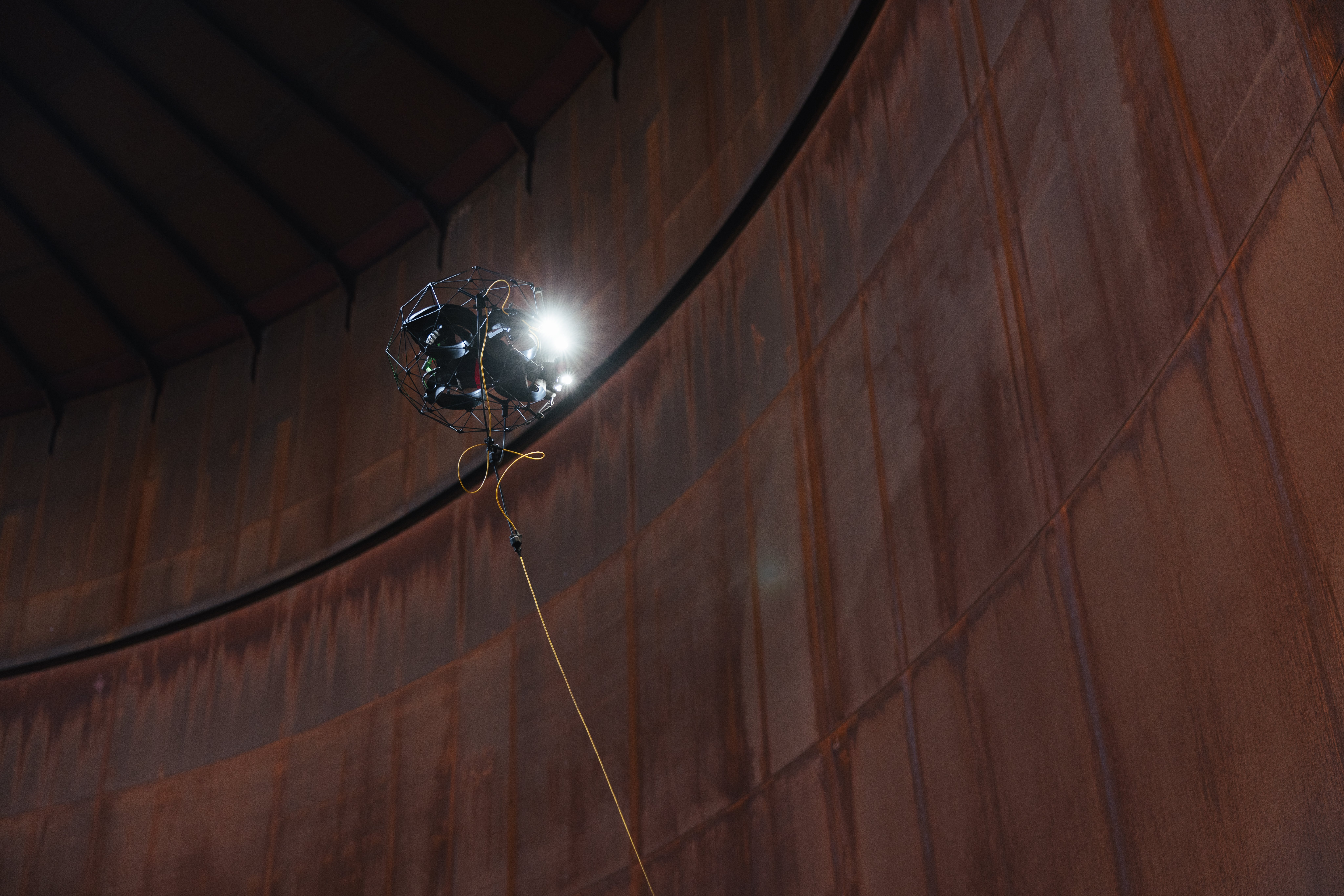
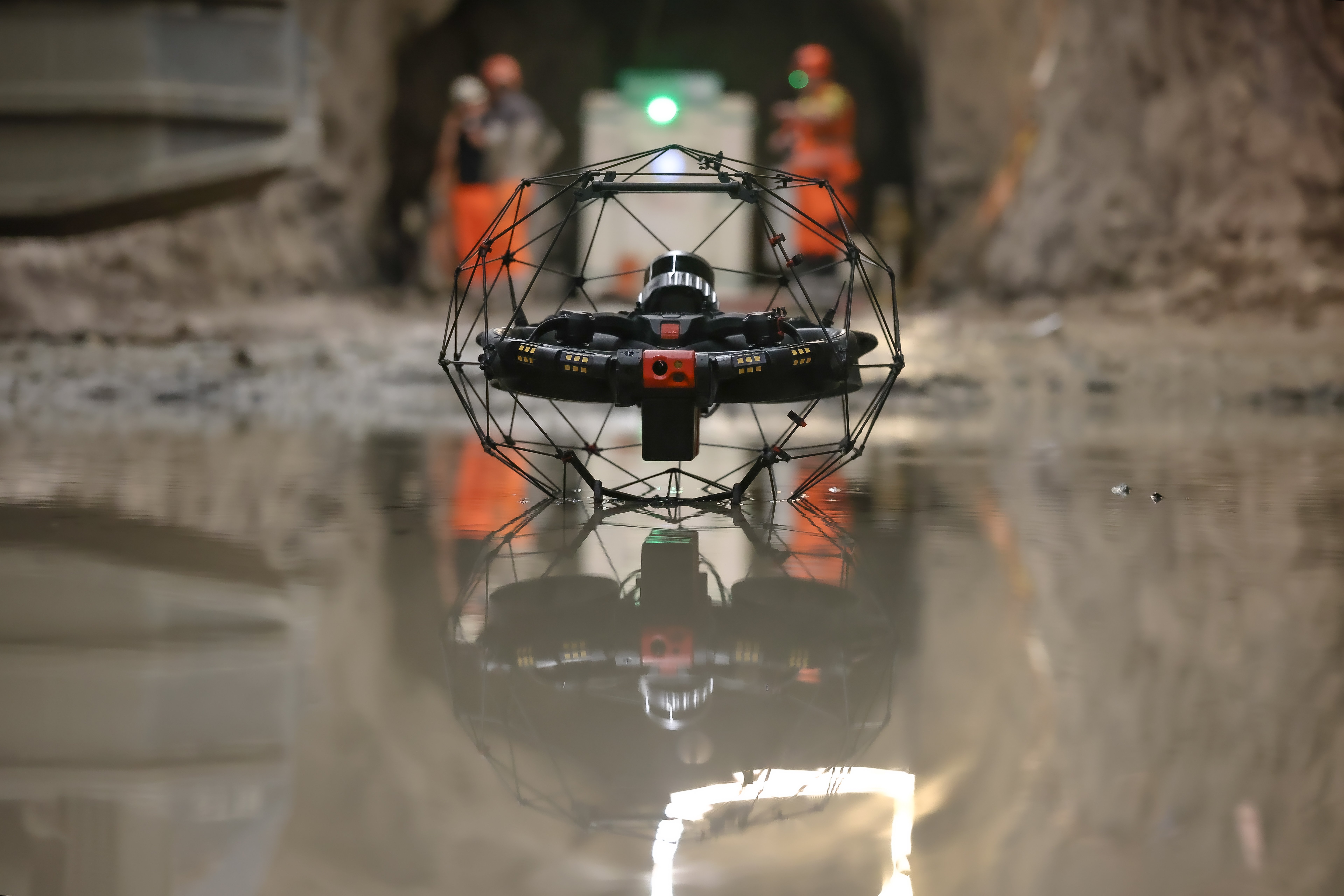
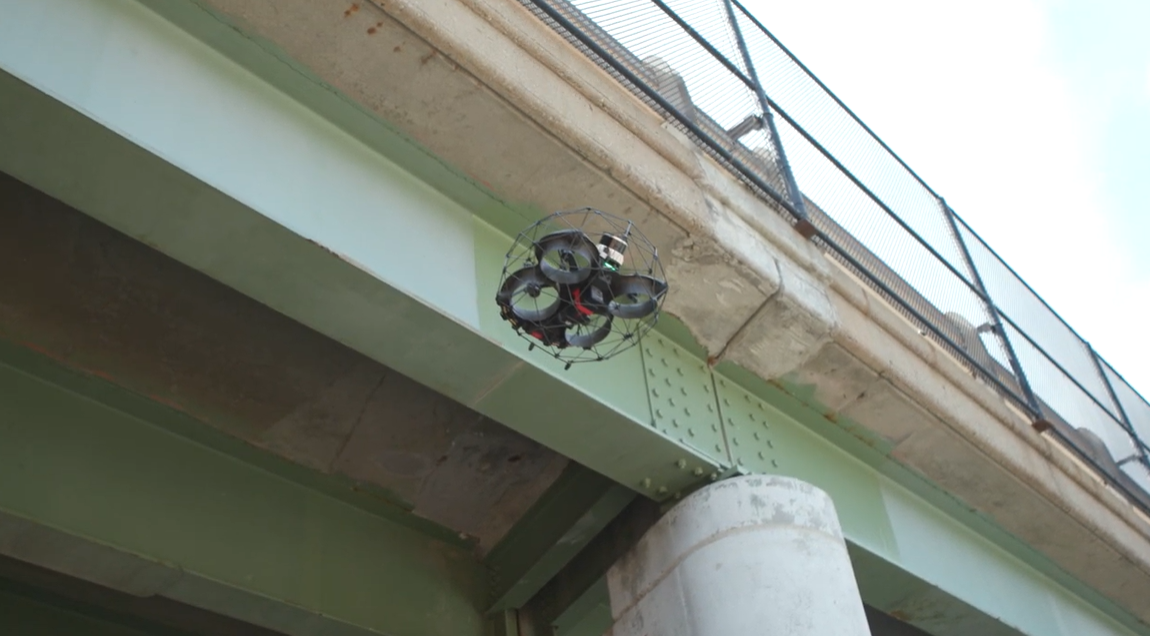
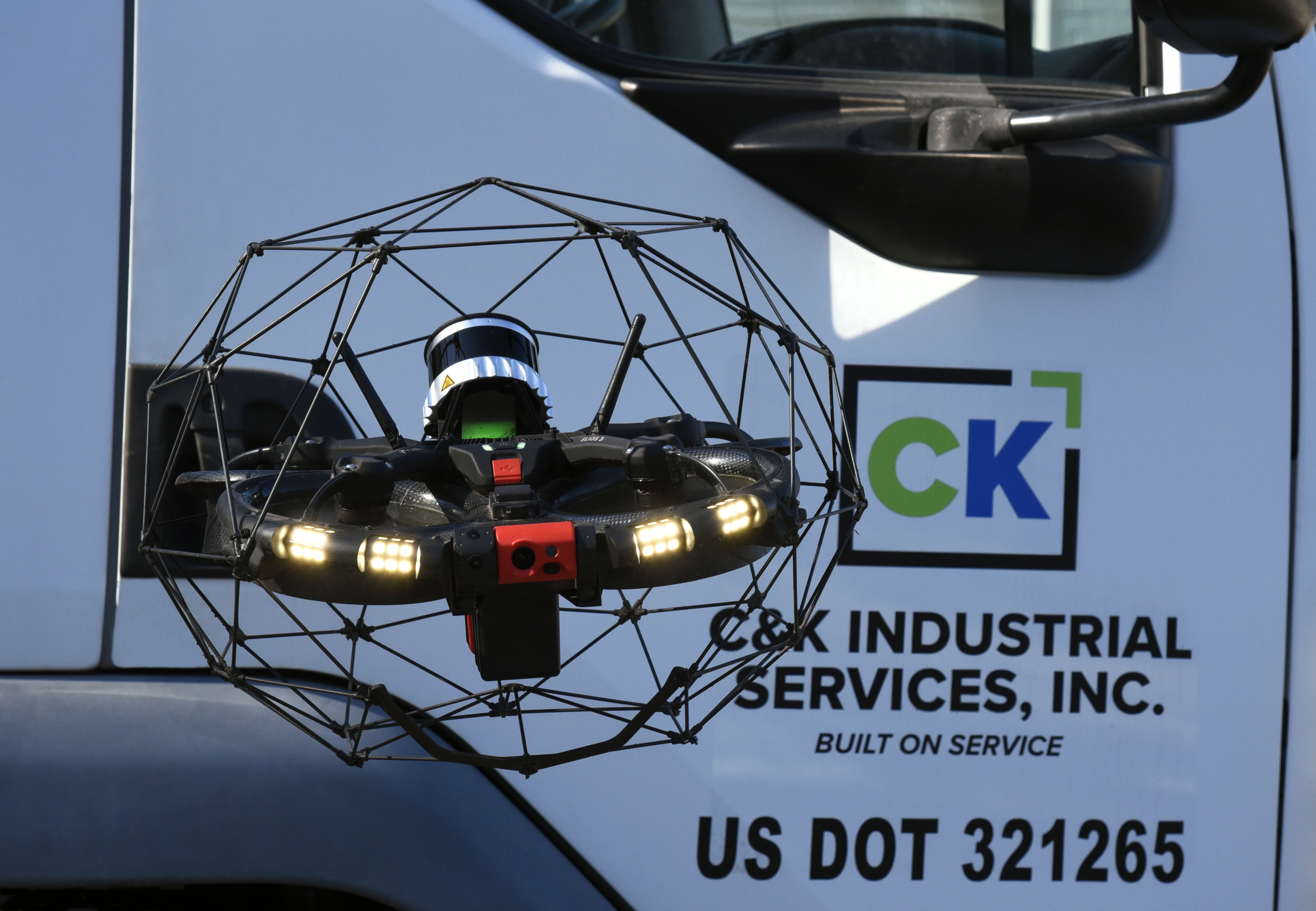
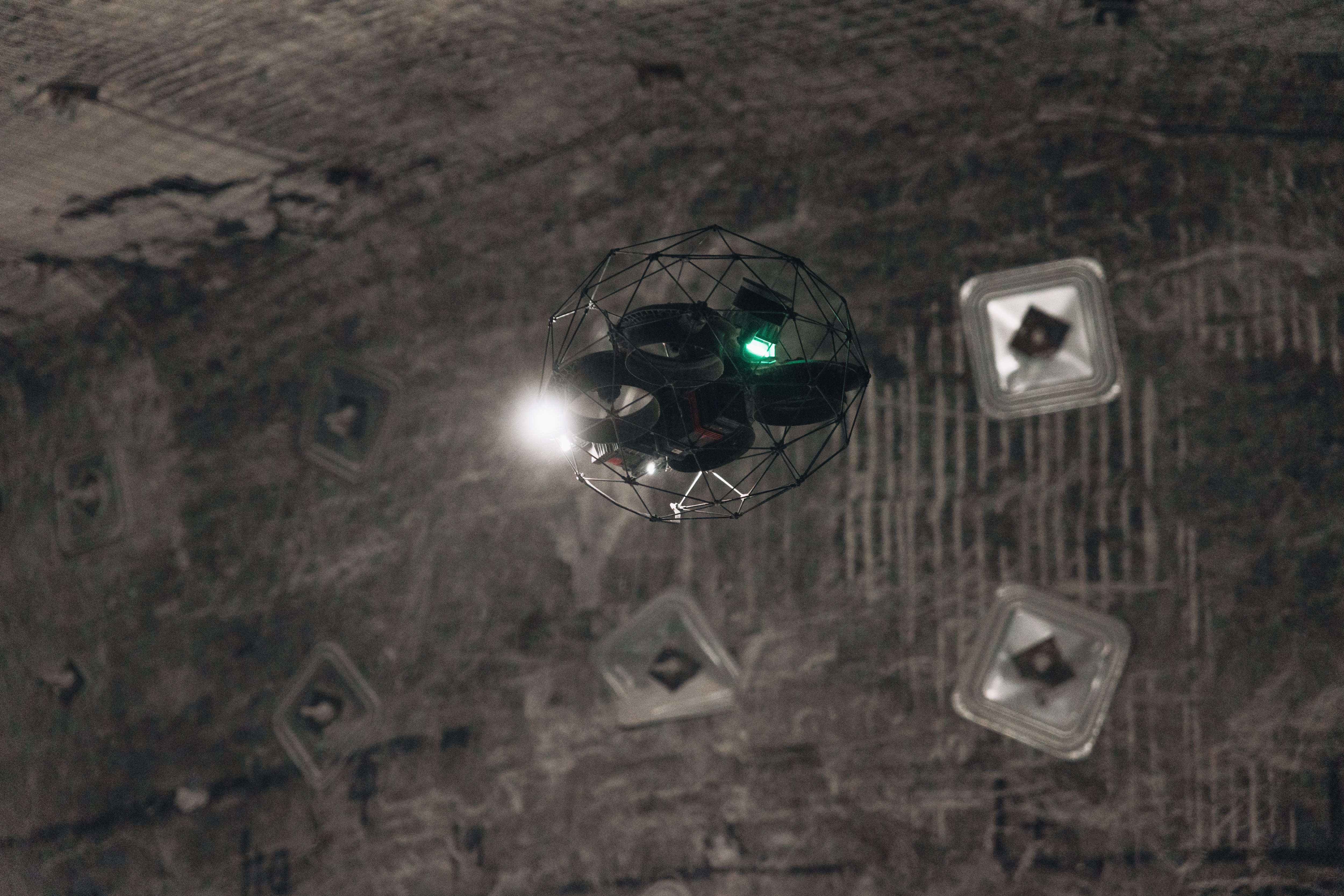
The Elios 3 UT drone with the Tether cable for unlimited flight time
Inspecting a Methanol Fuel Tank in Just 2 Hours
The operational execution was spearheaded by drone inspection specialists from MaDfly, whose long-term partnership with Flyability helped push the boundaries of what remote inspection technology can achieve in confined spaces. “Since the early days with the Elios 1, MaDfly has had the privilege to follow and actively contribute to Flyability’s remarkable technological evolution," said Thierry Guillot, CEO at MaDfly.

“The test conducted on board the Laura Maersk perfectly demonstrates this level of maturity. Leveraging MaDfly’s operational expertise and thorough preparation in close collaboration with Maersk teams, and supported throughout by Flyability, we successfully demonstrated that a methanol inert tank can be inspected in less than two hours, with a high level of accuracy and reliability, validated by ABS and Lloyd’s Register.
This success also reflects a strong alignment between innovation and vision. We would like to highlight Ola’s forward-thinking approach and courage, having anticipated from the vessel design stage the integration of drone-based inspection methods. His trust in MaDfly and in these emerging technologies was instrumental in achieving this milestone. We thank Flyability for their continuous support, technical excellence, and positive mindset, as well as the classification societies for their constructive feedback. For MaDfly, this project marks a significant step forward in demonstrating the operational value of drone-based inspection solutions for the maritime industry.”
Class Compliance for UT Drone Inspections
The success of the trial also relied on a rigorous, collaborative framework. The American Bureau of Shipping and Lloyd’s Register provided vital oversight to validate the drone's methodology against strict maritime classification standards, ensuring the data captured meets the regulatory requirements.
Georgios Koutsoumpas, Senior Technology Engineer at ABS, who attended the demonstration on the Laura Maersk, shared that: “This demonstration was an important step in showing that unmanned inspections could be a solution for methanol tank surveys, looking to improve safety by avoiding personnel entry into an enclosed space. ABS was pleased to contribute to the development of the inspection procedure and the supporting risk assessment, all of which helped to ensure the demo was carried out on a sound technical and safety basis. The Elios 3 UT drone delivered clear image quality, reliable UTMs, and was able to access difficult-to-reach areas inside the tank.”
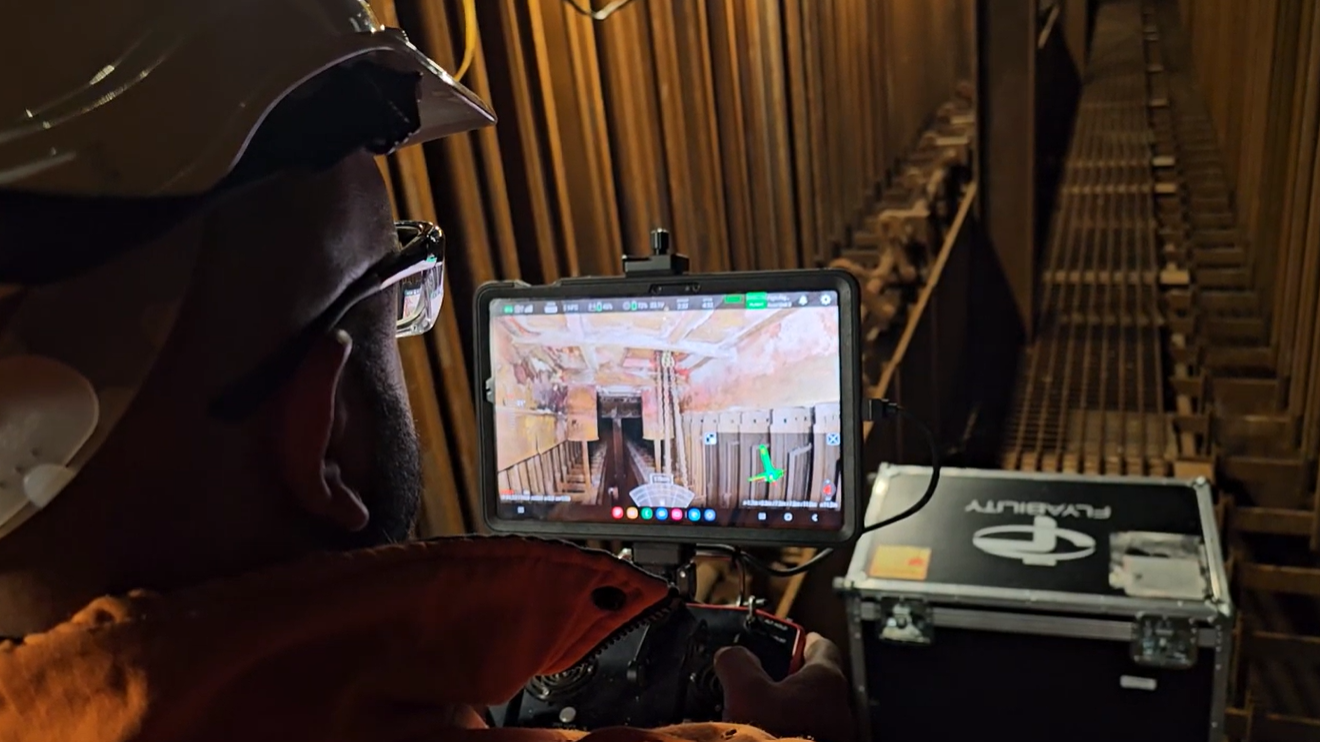
Eduardo Antunes, Survey Regulations and Procedures Manager at Lloyd's Register, also attended the demonstration. Eduardo commented that “This trial demonstrates that UAV-based inspection can significantly enhance safety by removing the need for confined space entry in certain cases, while delivering high-quality visual data to support survey decision-making. The livestreaming capability proved effective in enabling detailed inspection of structural features and coating condition. From a regulatory perspective, this trial provides a solid foundation for the continued development and acceptance of remote inspection techniques in classification surveys.”
The Future of Remote Inspection Techniques
By proving that remote technology (RITs) can safely deliver high-quality structural data inside methanol fuel tanks, Flyability, MaDfly, and their partners have established a new benchmark for the future of sustainable fleet maintenance. Thank you to all parties involved in the trial.
Find out more about Maritime Inspection Drones: https://www.flyability.com/maritime-drones


.jpg)
-Jan-16-2026-10-59-56-8006-AM.png)
.jpg)
.png)