Oil & Gas
 Maritime
 Power Gen
 Chemicals
 Mining
 Sewers
 Cement
 Nuclear
 Infrastructure


 EN
EN
Inspecting Penstock Collapses and Coal Powerplants with the Elios 3
AGL, the operator of Australia’s largest private electricity generation portfolio, shares how they have integrated robotic solutions to empower daily drone inspections that help keep both its staff and infrastructure safe.
Benefits In A Nutshell
|
Access The Elios 3 provided remote access to a void inside an 11-kilometer penstock and steam nozzles inside stacks over 7 meters above the ground. |
Speed Reducing the time taken to access and inspect complex spaces has allowed AGL to save hours of work and hundreds of thousands of Australian dollars during shutdowns. |
|
Safety The Elios 3 cuts risk exposure to staff by eliminating unnecessary confined space work and work at height, speeding up data collection while keeping people safely out of danger. |
Repeatability The Elios 3 drones are regularly deployed for assessments of critical energy infrastructure at different AGL sites, building them into routine inspection processes. |
Global energy demand is surging, and the use of drones is rising to meet the challenge of streamlining energy production through innovative inspections and asset management. Drones themselves aren’t producing energy, but they’re improving maintenance processes and workflows, which can lead to shorter downtimes and shutdowns, reducing the hours when power plants are out of action.
The adoption of remote inspection technology like drones has been steadily growing across multiple industries, and the power generation sector is no exception. In fact, power generation inspections with the Elios 3 drone are 80% faster than traditional methods and can reduce costs by as much as 90%.
Drones can help speed up the inspection and maintenance of critical energy infrastructure, from dams to wind turbines, thanks to their quick deployment and data quality. The result? Some energy companies and inspection service providers now see drones as standardized tools instead of unproven alternative solutions, with some developing fleets to support specialized drone inspection programs.
AGL Energy (AGL), is an early adopter of drone technology - and today, they’ve got a fleet of UAVs (Unmanned Aerial Vehicles) ready for deployment at different energy sites, including 2 Elios 3 drones.
How Australia's AGL Energy (AGL) Turned to Drone Inspections
AGL produces and sells energy across Australia from coal- and gas-fired generation and renewable energy sources such as wind and hydro.
Managing their diverse energy infrastructure calls for an adaptable, reliable approach. Inspection technology that can assess multiple assets is invaluable, especially when it can be used across multiple sites. The Elios 3, with its modular payloads and adaptable flight style, was a natural fit for their inspection processes, and as a result, the AGL Drone Services Program added 2 Elios 3 drones to their fleet.
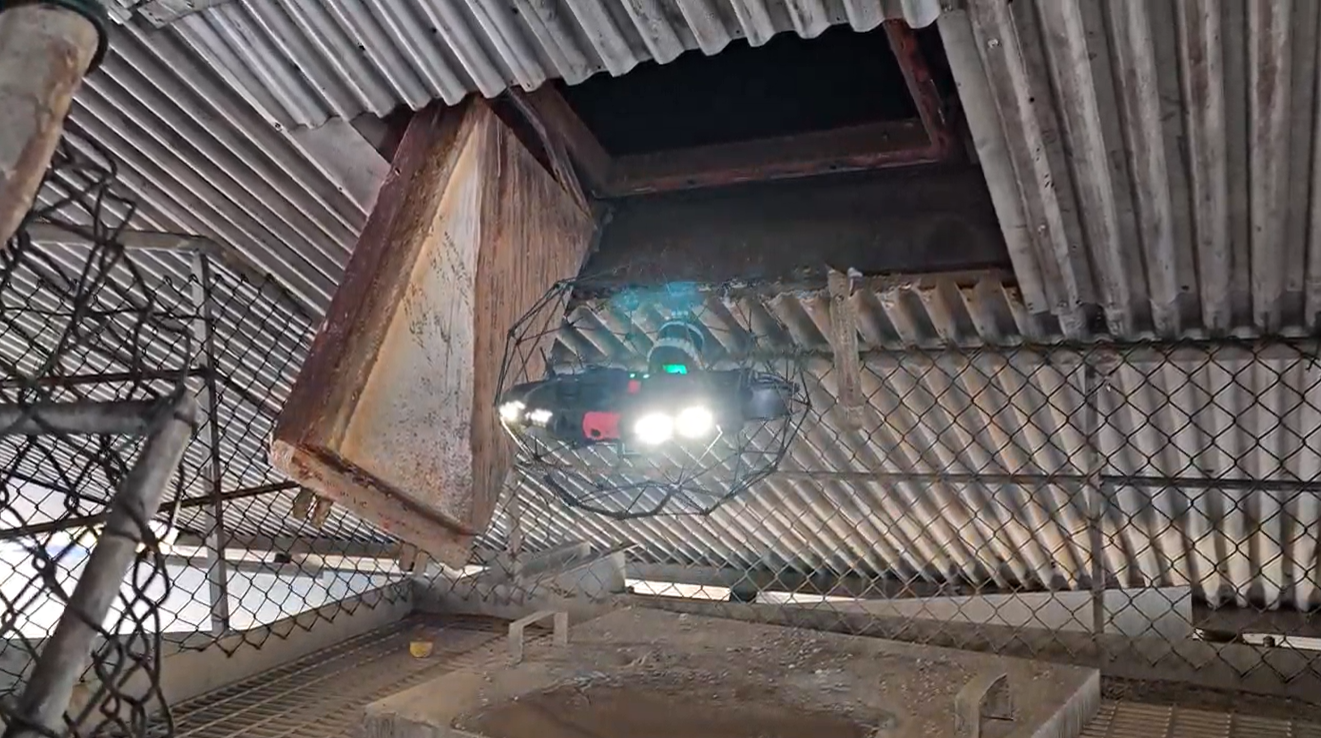
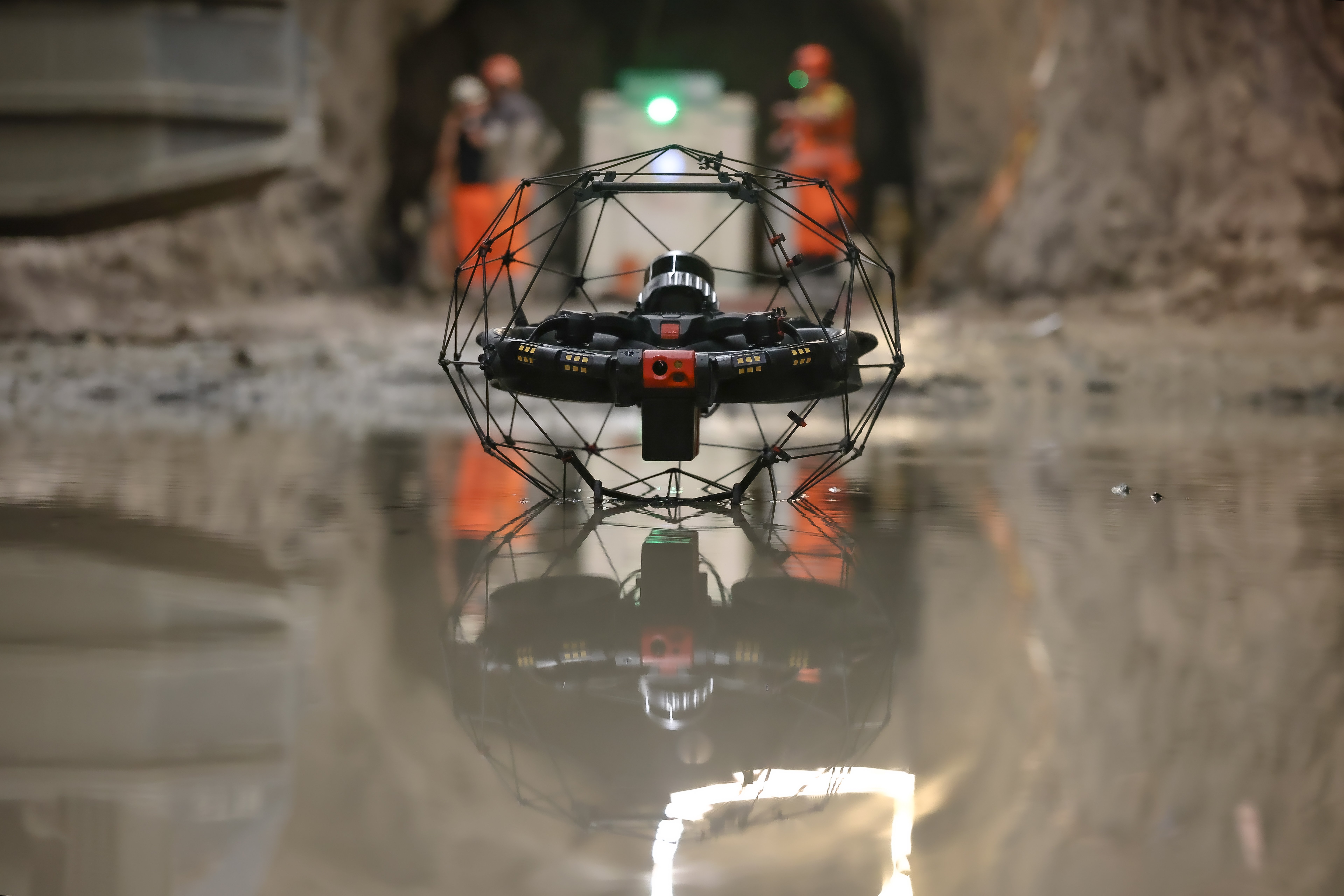
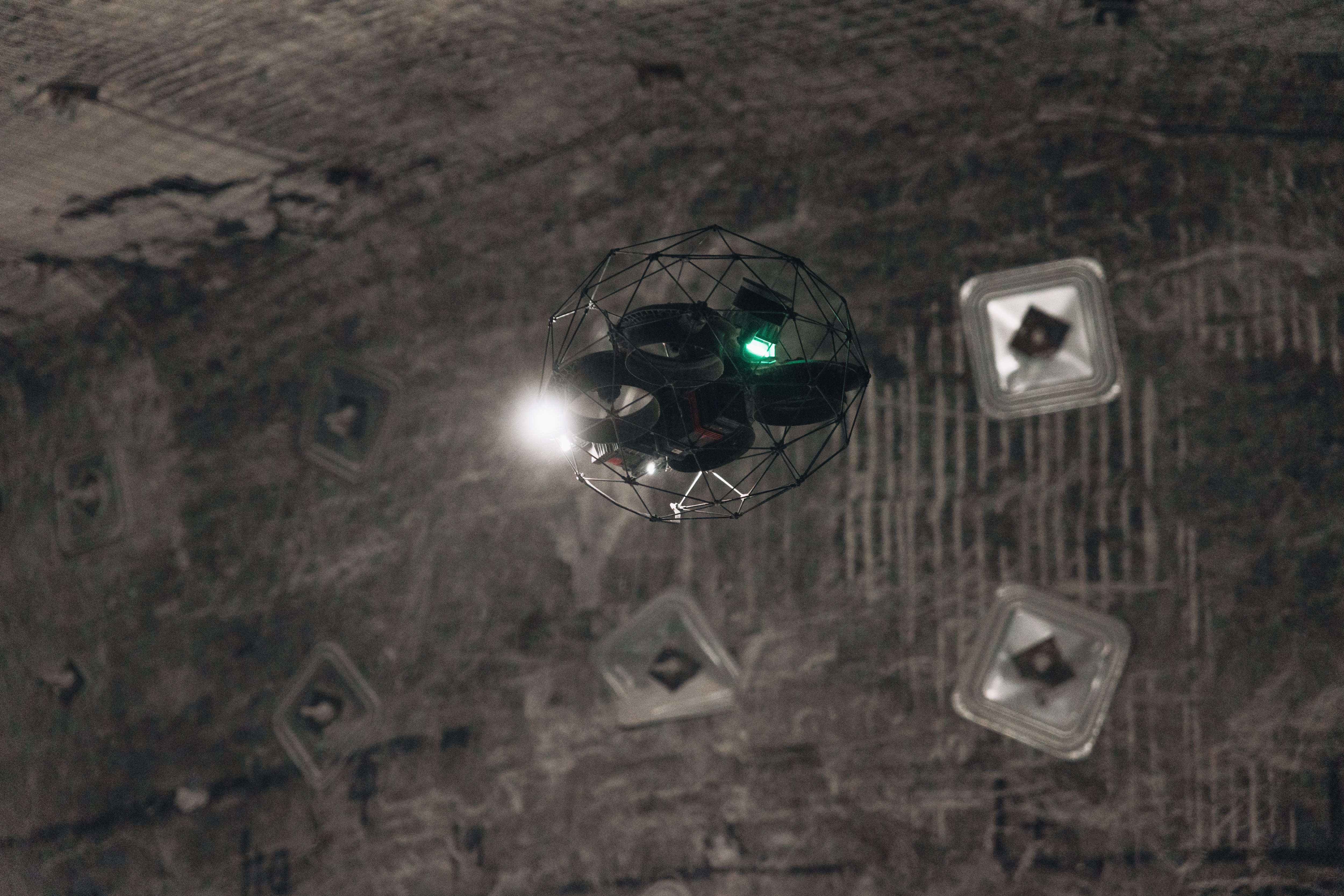
The Elios 3 is regularly deployed by the AGL team to access confined spaces at different power generation sites
Matthew Lee, Chief Remote Pilot and Drone and Robotics Engineer at AGL, told us about how he and his team use the Elios 3 drones on a daily basis for complex inspections, moving between sites to inspect dams, coal plants, and other energy infrastructure.
Benefits of the Elios 3 for Energy Infrastructure Management
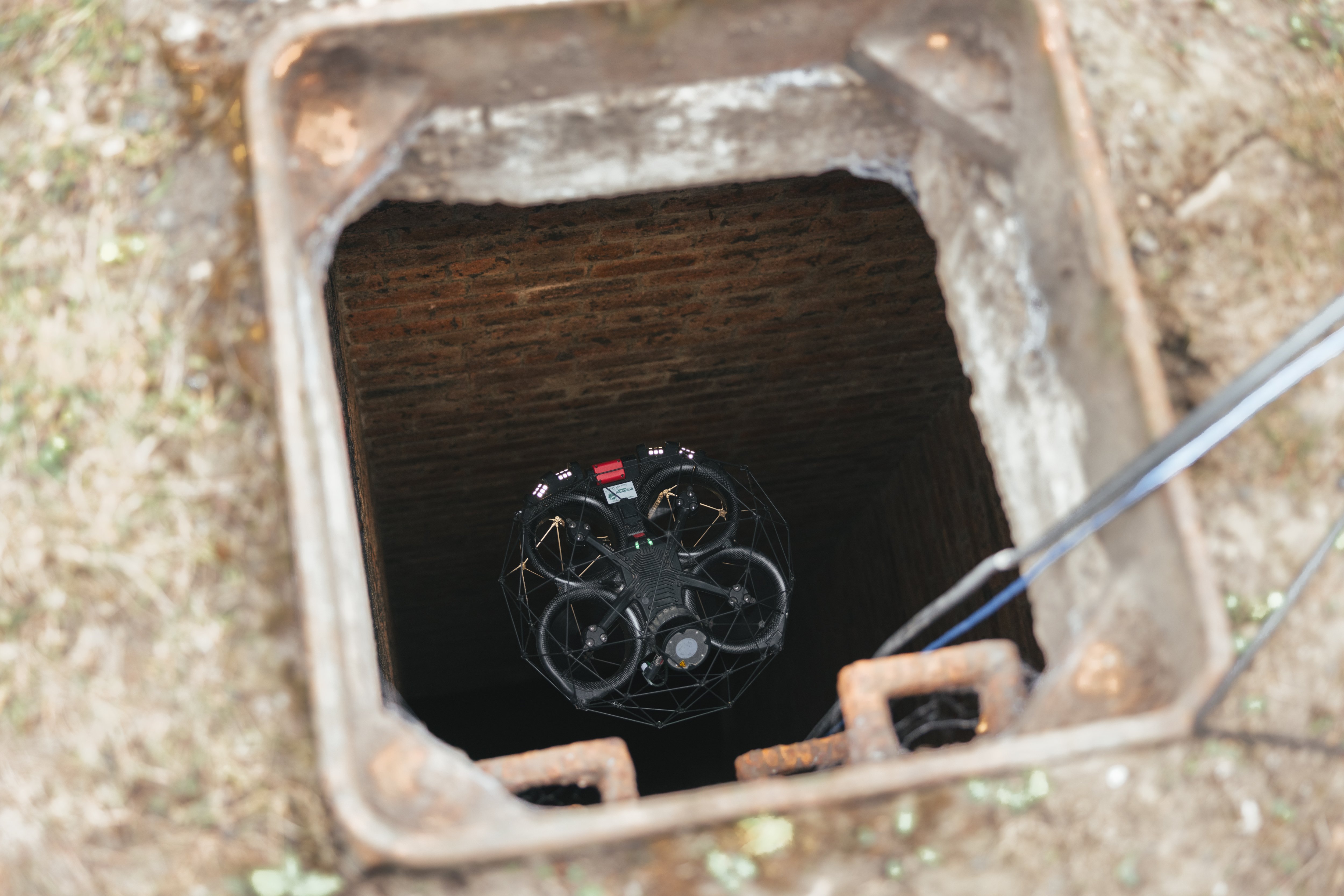
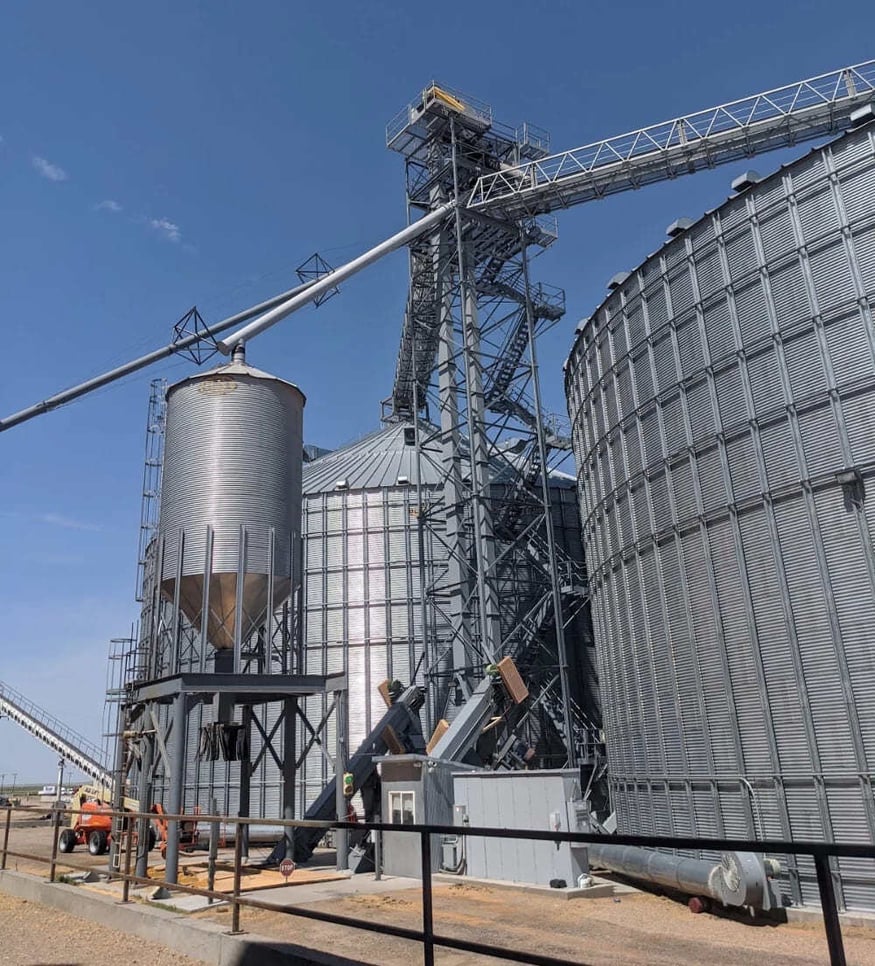
At their core, drone inspections with the Elios 3 empower safe, remote access that keeps people out of confined, hazardous environments - ranging from inside boilers, exhaust stacks, and coal silos, to high-up cooling towers, HVAC systems, and supporting structures. The Elios 3 is a good solution as it can be used to inspect and manage a variety of energy infrastructure owned by AGL.
Matthew Lee highlighted several key features of the Elios 3 that make it ideal for inspections across energy assets:
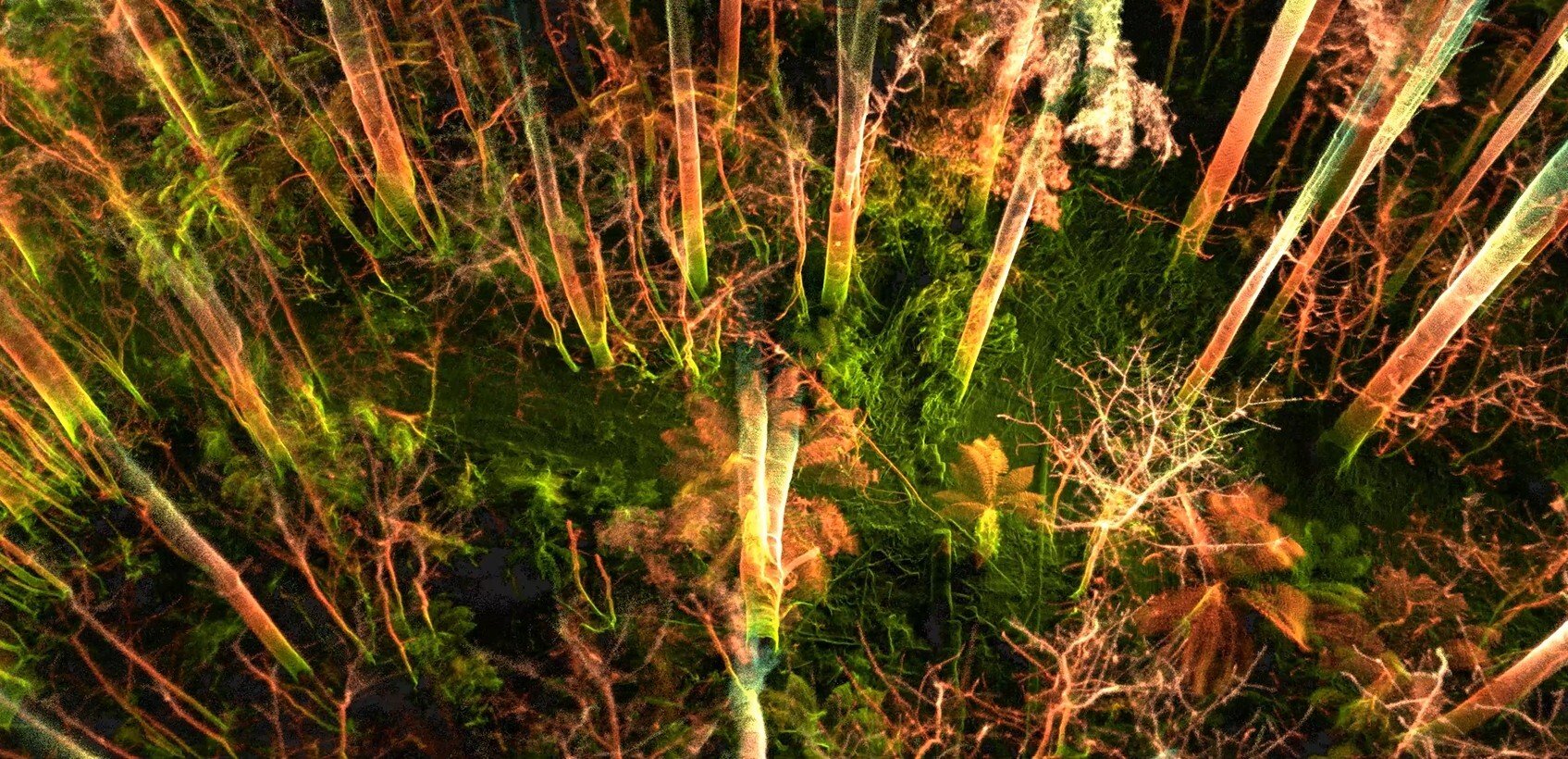
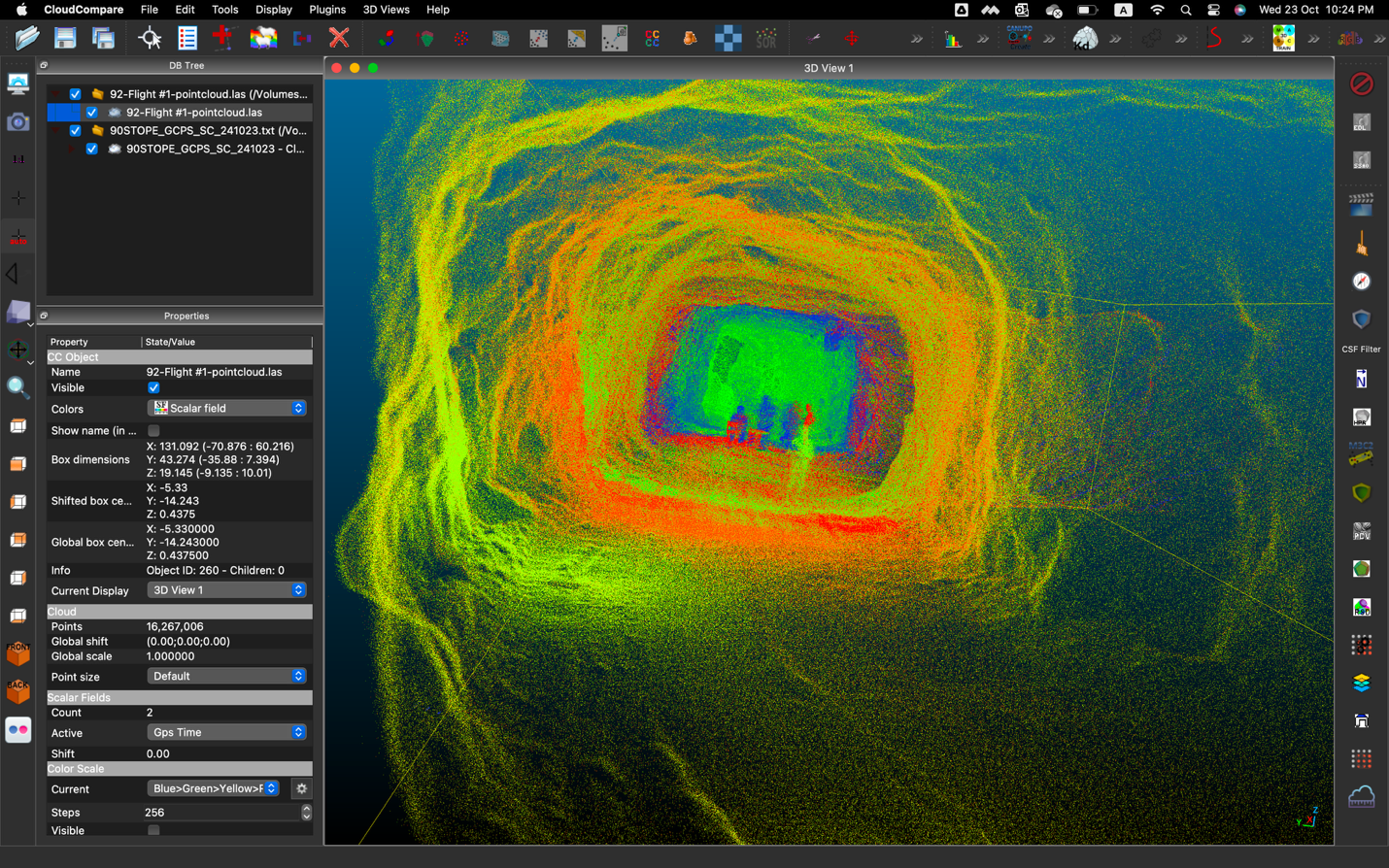
- Surveying Payload → The Elios 3’s powerful surveying payload has enhanced LiDAR scanning capabilities, providing solid flight performance in GPS-denied environments and tight spaces, which is key for ensuring safe drone operation. The centimeter-accurate scans in confined spaces give maintenance teams clear information about the condition of an asset, including precise measurements of distances, sizes, and locations of areas that need repairs.
- Lighting System → The Elios 3 has 16,000 lumens of lighting on it, giving the pilot clear visibility even when the drone is flying in pitch darkness or investigating an unknown environment. This also guides the pilot when making ultrasonic thickness measurements in confined spaces, such as during boiler inspections.
- Automated Repeat Inspection → The ability to repeat the same flight weeks or months apart allows Matthew and his team to accurately track changes in an asset, shifting from reactive to preventive maintenance, thanks to digitizing and regularly reviewing their asset records. This function also lowers the cognitive burden on pilots whilst inspecting, allowing them to react to changing flight conditions more quickly.
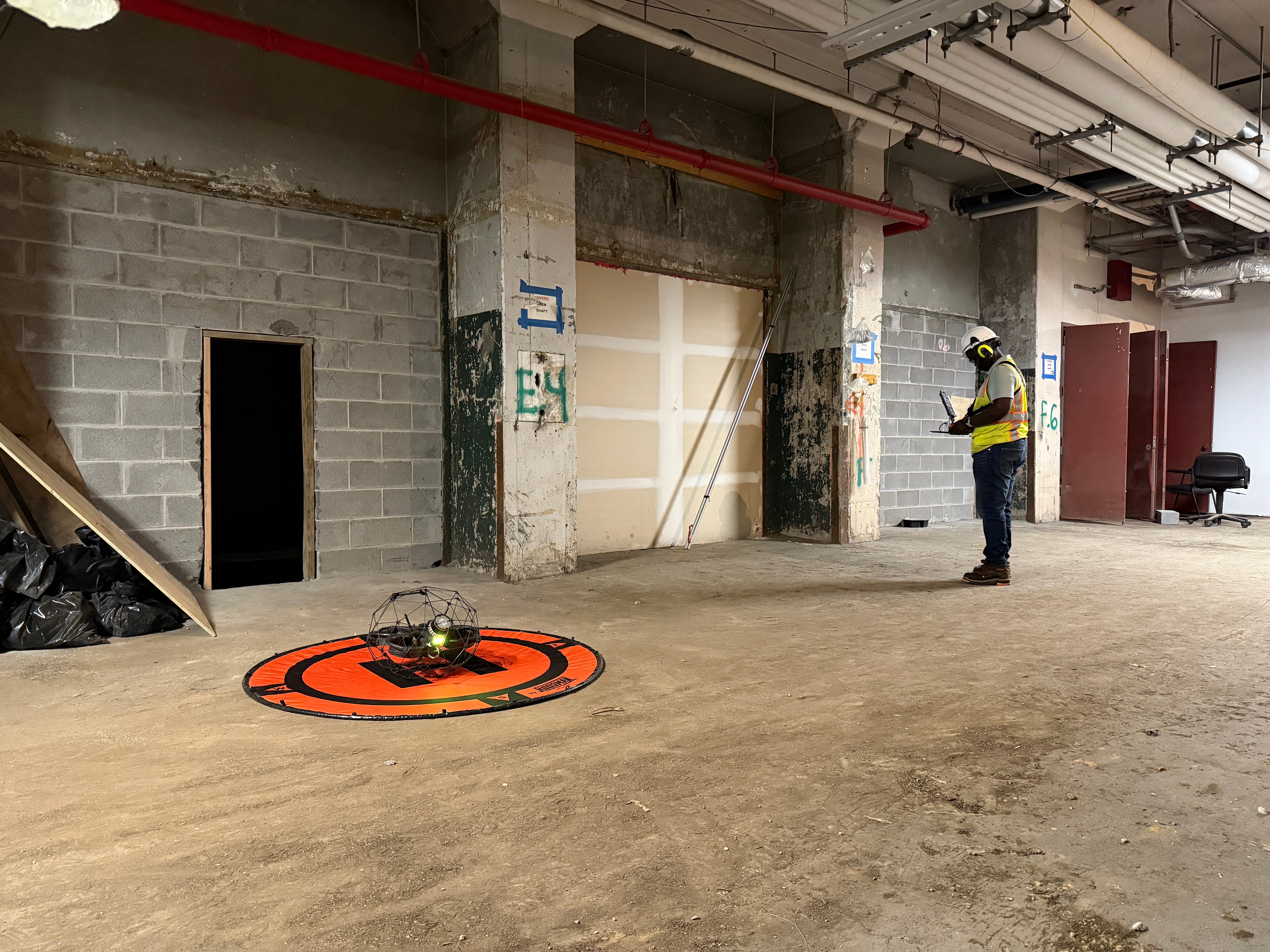
The team uses the Elios 3 drones at coal plants on a daily basis, with one Elios 3 kept at Bayswater Power Station while the other is transported to different sites according to the inspection schedule and planned outages. Together, the drones have saved hundreds of hours of work and reduced unnecessary exposure to risks, including confined spaces and work at height since purchase.
Case Study: The Elios 3 Inspects a Penstock Collapse
At one of the dams managed by AGL, the team noticed that the outflow pressure of the penstock - the large pipe which transports water from the reservoir to the turbines - was lower than expected. Penstocks can be underwater and sealed for years at a time, so changes in pressure are carefully monitored as they may indicate a problem within the pipe.
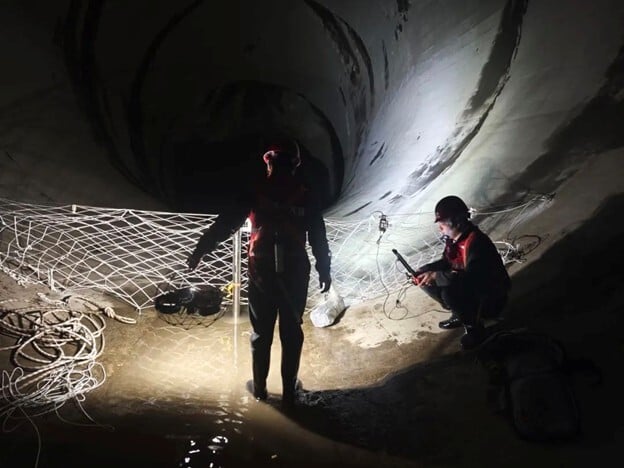
This penstock was 11 kilometers long with a diameter of 5 meters. Based on the pressure change, the team suspected a partial collapse in the tunnel could have occurred. They dewatered the structure, and then staff slowly began the inspection process.
5 kilometers from the reservoir entry point, the team found that a section of the penstock had collapsed. The part that had broken had left behind a void on the upper side of the penstock, which could be filled with water when the penstock was full. In addition, if material had fallen into the penstock from there, it would be scattered along the rest of the tunnel and would need to be located and removed. Estimating the amount of material, as well as the size of the void, was the first step in the maintenance planning process.
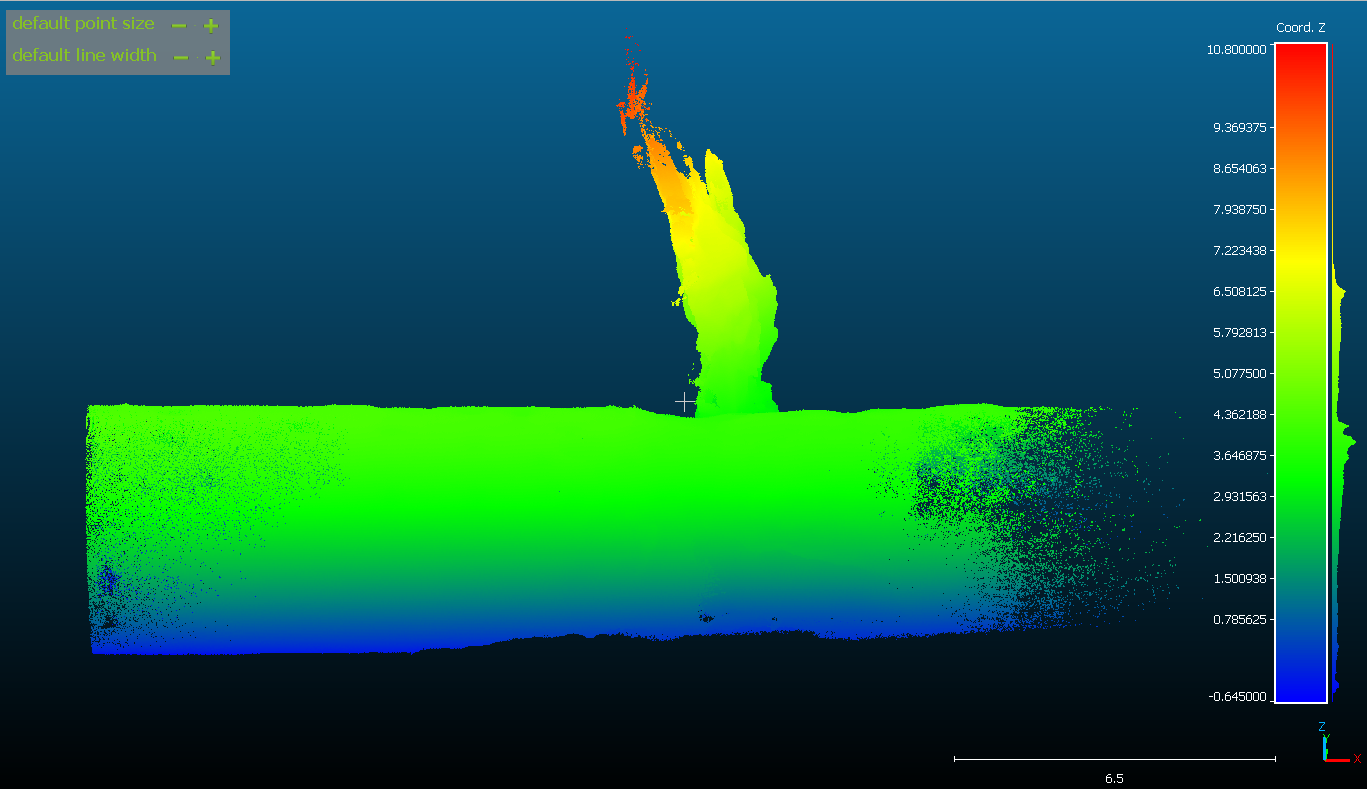
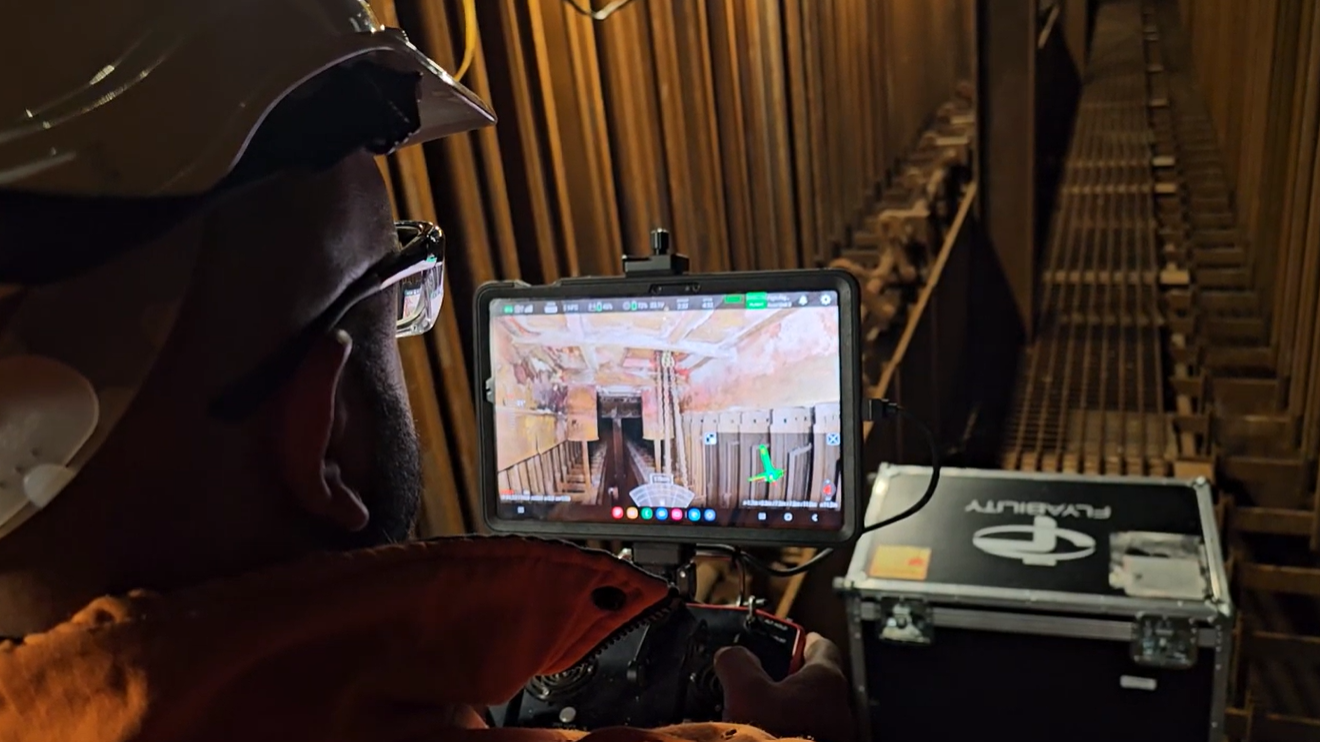
The void above the penstock, surveyed using the Elios 3, would be impossible to reach with traditional tools
Traditionally, the volume of material lost and the shape and nature of the void were only guessed at, making filling the void with concrete an uncertain process and increasing the likelihood of imperfect repair. Matthew Lee’s team decided this was the perfect opportunity to use the Elios 3, which can maneuver safely within the space.
The Elios 3 and its Surveying Payload - which includes its more powerful LiDAR scanner - were flown into the void. The drone’s lighting and LiDAR payload gave the pilots a complete view of the space while also capturing measurements of the space’s dimensions and volume.
After the flight, the drone’s data was used to estimate the quantity of material that had fallen into the penstock and plan the repair and remediation work. The Elios 3 turned guesswork into measured certainty in just a 10-minute flight.
Case Study: Saving Hundreds of Thousands of Dollars During Planned Shutdowns
Matthew explained that the Elios 3 is not just used for emergency response but also for planned outages.
At Loy Yang coal-fired power station, regular 3-day planned outages carry significant costs. Every additional hour adds to the total shutdown expense. By accelerating certain inspections by up to 80%, the Elios 3 can help reduce outage duration and limit shutdown costs.
During a shutdown in 2026, the Elios 3 drones were deployed for multiple tasks. This included inspecting the drying shaft, insulation material, along with assessing the condition of the entry points. Hoppers, flaps, and beams in the roof space of buildings were also inspected with the Elios 3, identifying areas that needed intervention or not, as well as updating building condition records.
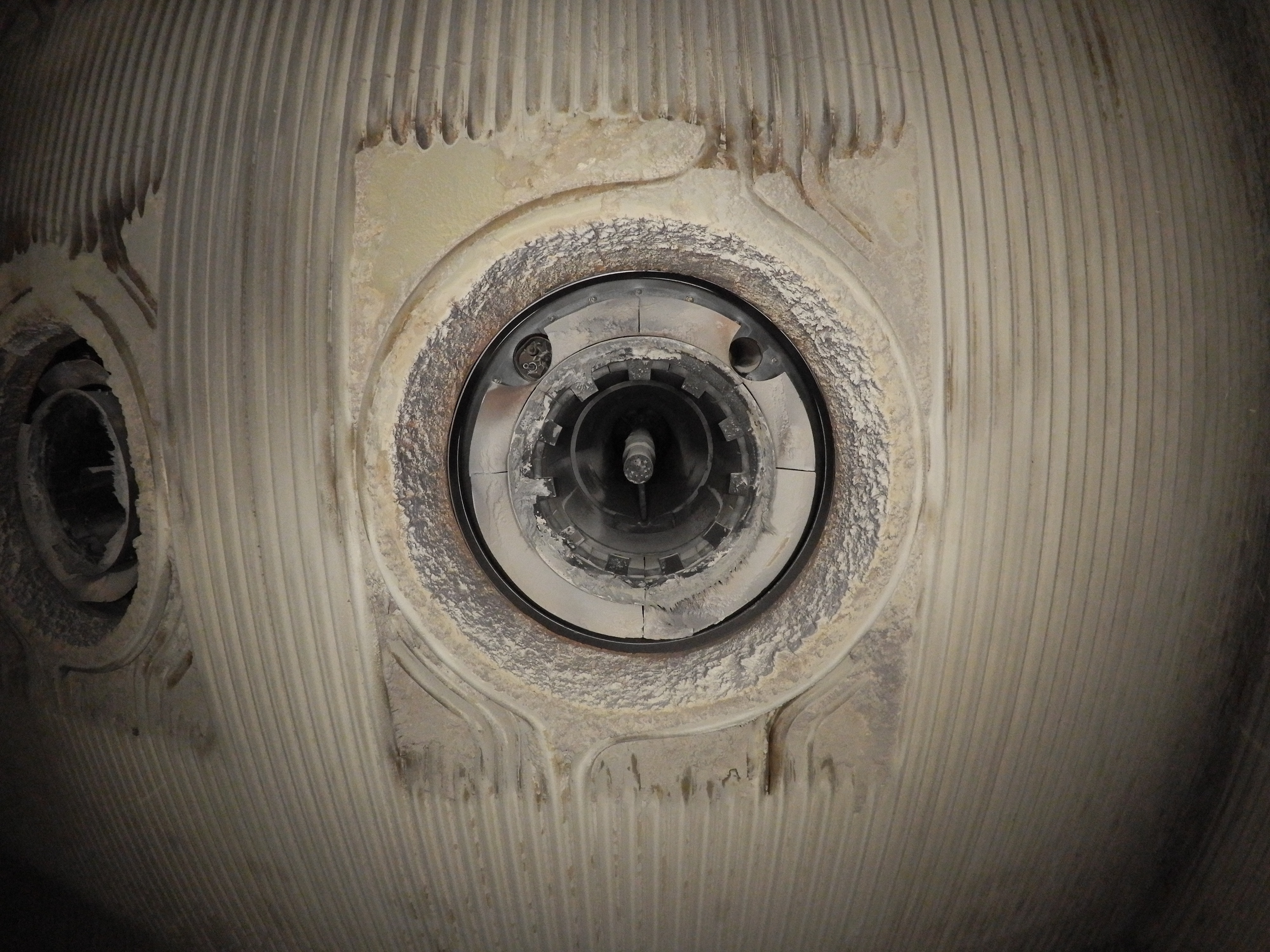
Finally, the drone was deployed inside the cooling tower. Here, the aim was to assess the steam nozzles that are 7 meters above the ground. The pilot needed to quickly assess the number of nozzles operating normally versus those that require repairs. When a specific number of nozzles are no longer working as expected, this triggers a maintenance request. However, if there is no need for maintenance, using the Elios 3 turns days of scaffolding erection and manual inspections into just a few minutes of flight. It’s an immediate reduction in data collection time that quickly determines whether further intervention is necessary.
A 3D model of furnaces captured with the Elios 3's visual inspection payload
The Next Steps of Using Daily Drones for Powerplant Management
The drone pilots at AGL will continue to deploy their UAVs at various sites across Australia, benefiting from the data quality, speed of data collection, and limited risk exposure offered by drone intervention. Thanks to the Elios 3, they’re able to complete inspections in a safer, quicker, and more cost-effective way than ever before.
The introduction of new automation features, including Repeat Inspection, also signals that the Elios 3 drones are continuing to develop and offer new capabilities to the team. The growing feature list of the Elios 3’s cloud platform, Inspector Online, also speeds up data sharing between different teams and sites, making communication more straightforward between pilots, inspectors, and maintenance teams.
In the future, Matthew expects the AGL drone program to continue expanding the applications for drone inspections, with an aim to make them safer, more reliable, and faster methods of critical asset management.
Interested in learning more? Discover the Elios 3 for power generation inspections now!


.jpg)
-Jan-16-2026-10-59-56-8006-AM.png)
.jpg)
.png)