Oil & Gas
 Maritime
 Power Gen
 Chemicals
 Mining
 Sewers
 Cement
 Nuclear
 Infrastructure
.svg) Transportation
Transportation


 EN
EN
Inspecting an Unknown Void Under a Railway Bridge
Rail operators needed to inspect an inaccessible void hidden behind a hatch underneath a rail bridge - and the only safe means of access was with the Elios 3!
Benefits In A Nutshell
|
Speed The flights into this unknown, confined space were completed in just 20 minutes - impossibly fast compared to traditional methods. The total inspection time, including gaining access to the space, was just 2 hours. |
Safety Thanks to remote access, there was no confined space entry and no unnecessary hazard exposure. The team was kept safely away from danger while the Elios 3 completed the void inspection under the bridge. |
|
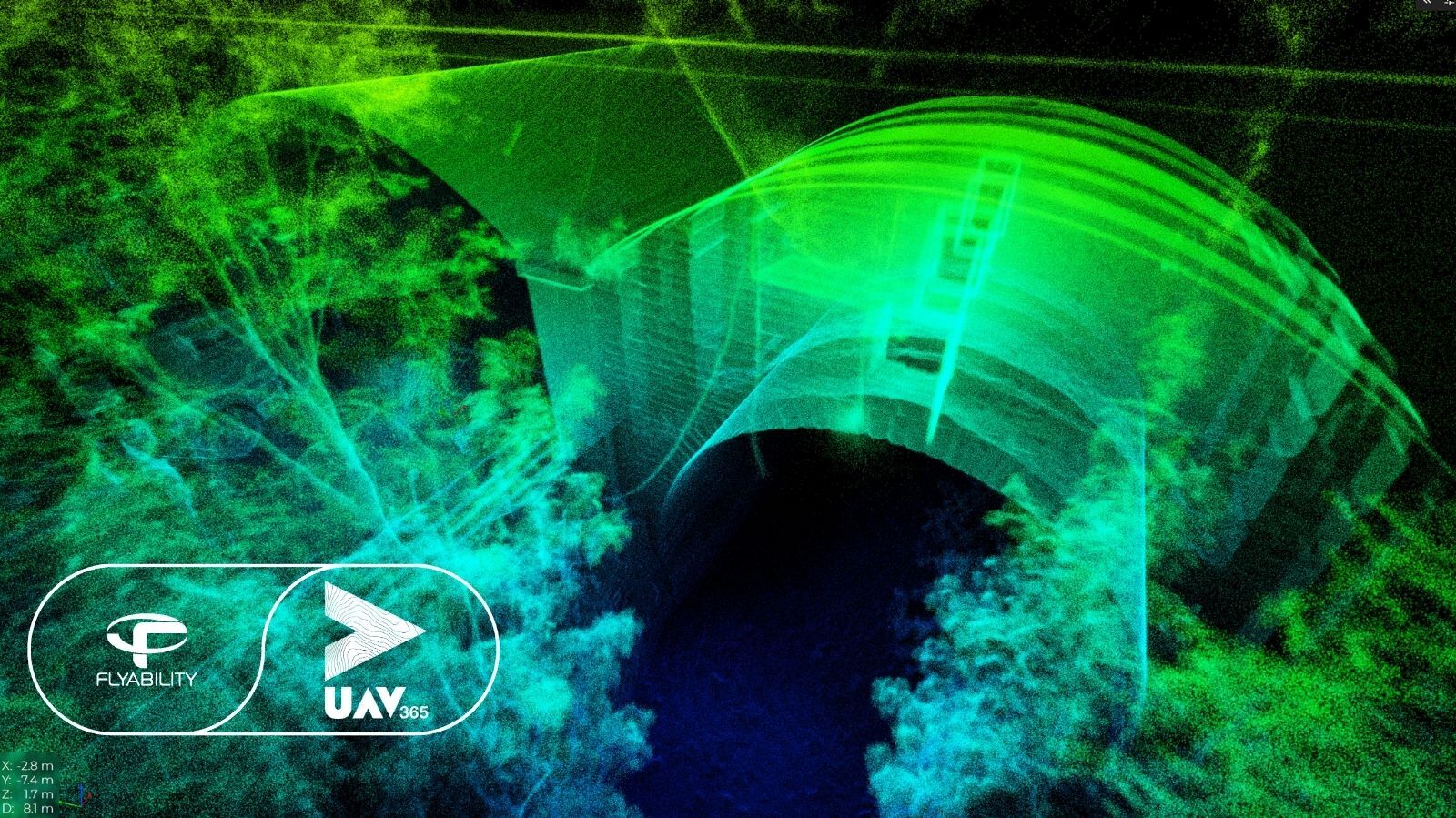
Data Quality The Elios 3 delivered simultaneous 4K video and centimeter-accurate LiDAR. This provided a 3D model of the space alongside detailed visual data, giving a full overview of the void shape, dimensions, and conditions to the client. |
No Disruption The mission was completed quickly and efficiently, without disrupting rail traffic above the bridge. The simple, quick access by the Elios 3 ensures that critical data can be collected without the asset having to be closed. |
UK rail infrastructure is ageing. The first iron rail systems were installed in the 1800s, and while they’ve been upgraded many times since then, constant use and an increasingly complex network are putting pressure on this critical infrastructure. But rail system management is not straightforward - especially rail bridge inspections.
One challenge for rail operators today is that the age of many bridges, tunnels, and overpasses can mean there’s no clear record of the original construction plans. In fact, there are many examples of bridges having systems of hatches and voids in the substructure beneath the train tracks which have not been documented or accessed in decades. Periodic inspections of these spaces are being rolled out to assess the overall condition of the bridge and ensure defects are not hidden out of sight.
At one site in Derbyshire, an old hatch was barring access to voids, arches, and timber beams underneath a rail bridge. Suspended over water, physically reaching the substructure was a challenge, let alone entering the hatch. A safe bridge inspection method was required, so specialists from UAV365 were brought in to see if, once they opened the hatch, they could deploy a drone for the bridge structural inspection.
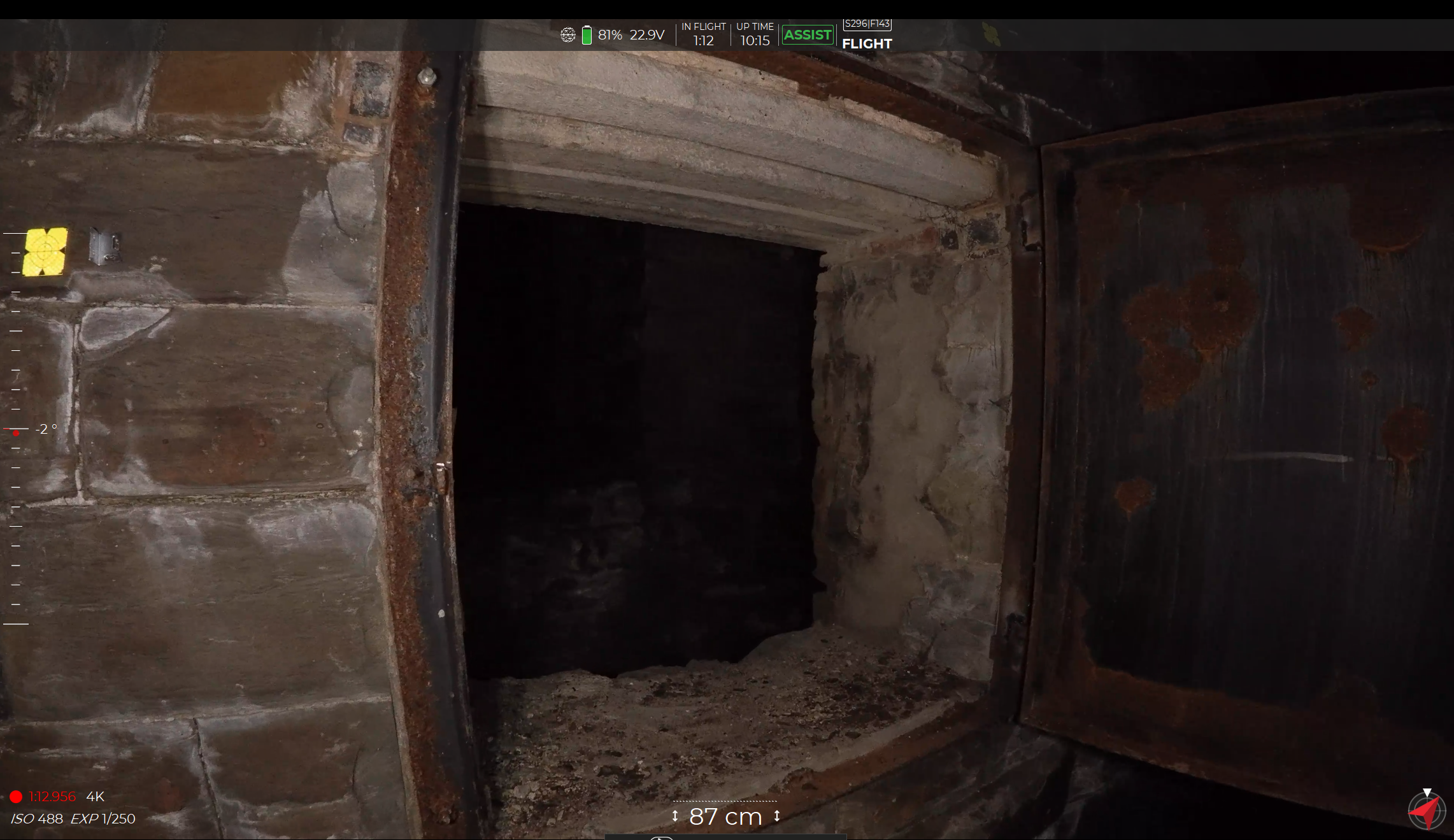
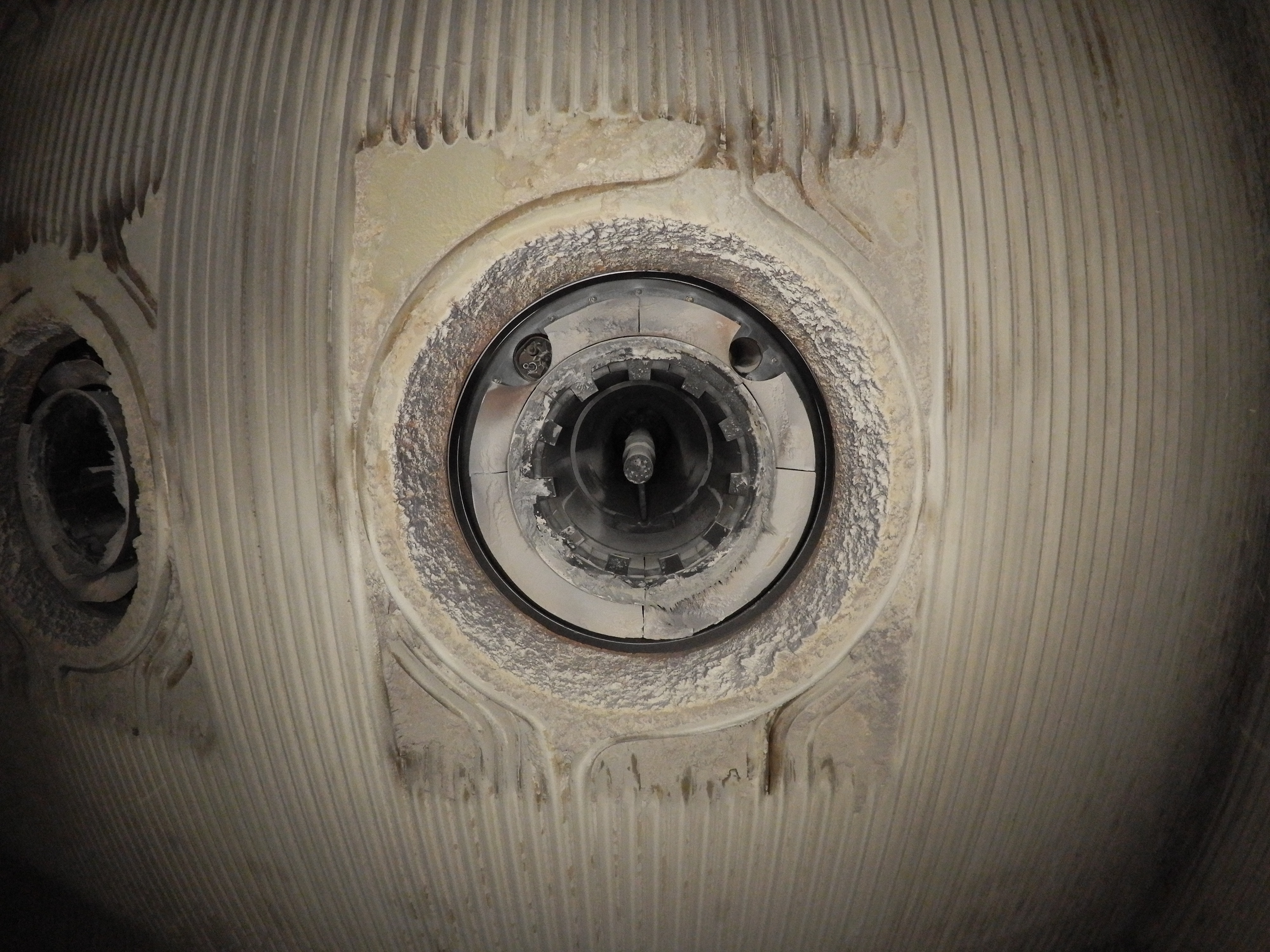
The unknown void: this inaccessible space cannot be safely assessed by people
Planning a Bridge Substructure Inspection with Drones
UAV365 is a specialized drone surveying and inspection company, backed by over 7 years of experience. They regularly conduct inspections, surveys, and utility assessments with unmanned aerial systems (UAS), delivering their findings to contractors, construction companies, and local councils.
The UAV365 team visited the Derbyshire bridge at the request of a rail contractor. The access hatch was high up and slightly overgrown by trees and shrubbery. The operators had already used a mobile elevated work platform (MEWP) to see inside the void beneath the bridge, but they could see very little in the darkness. Initial attempts to gain visibility by dangling a camera inside had seen little success.
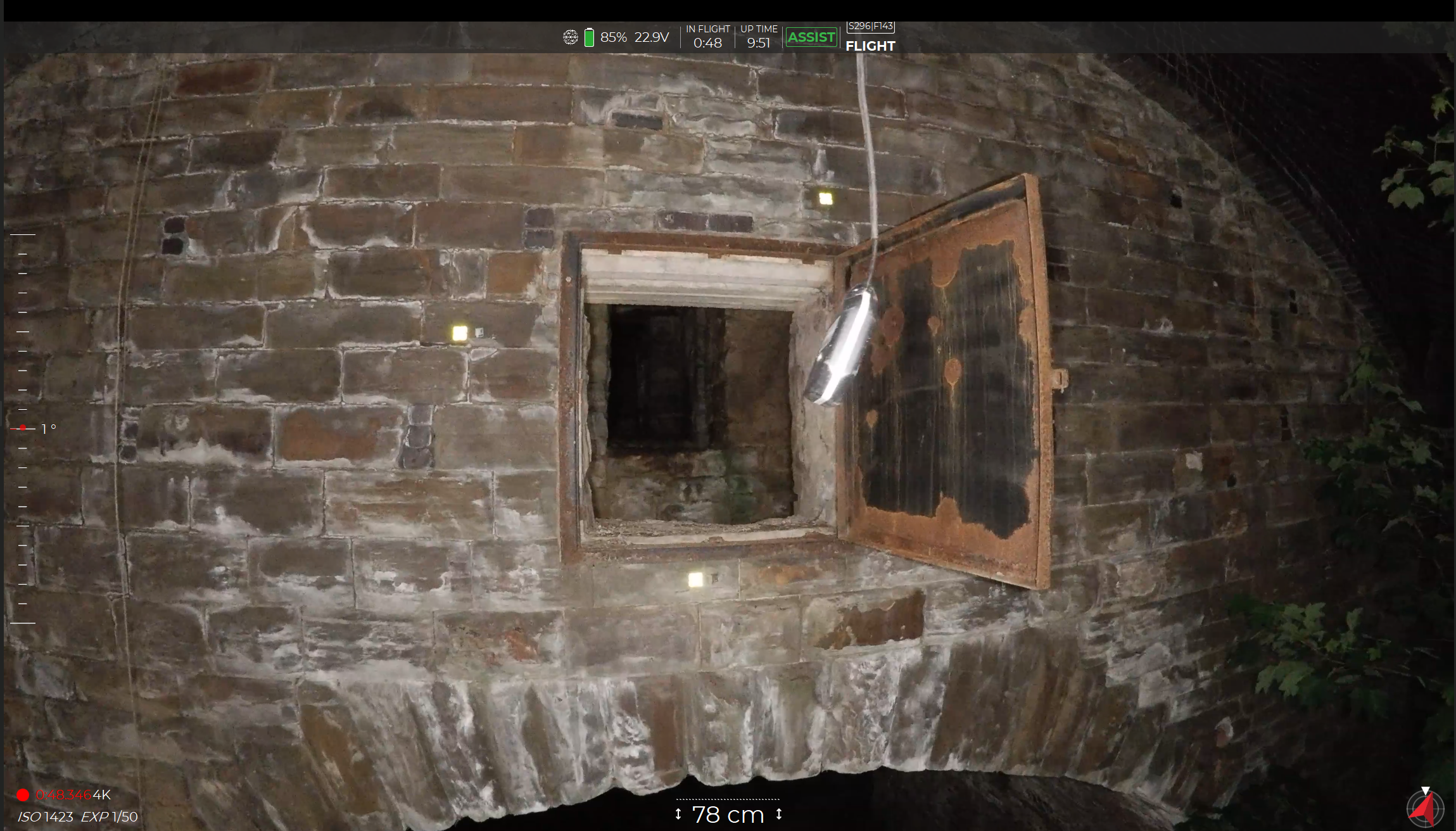
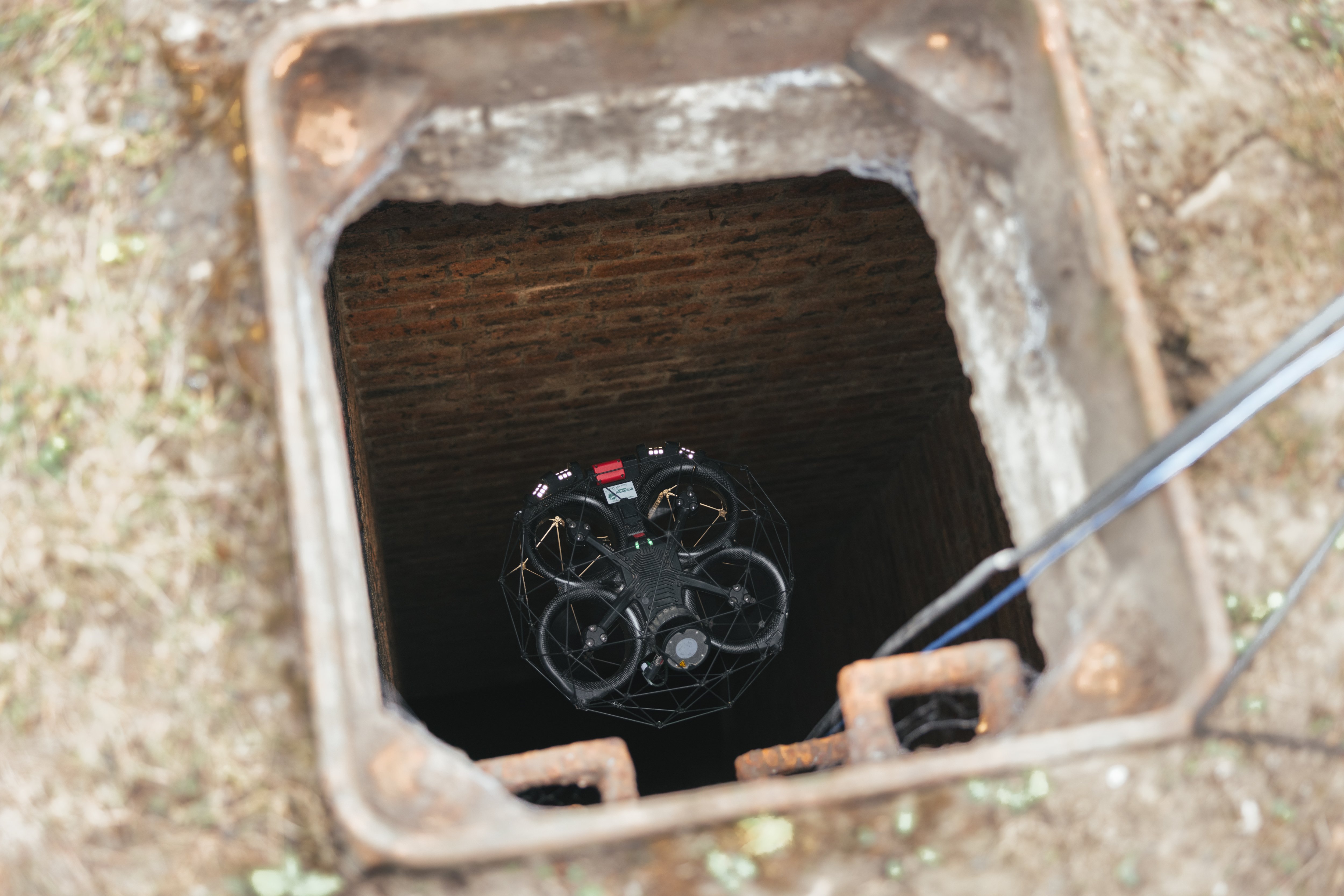
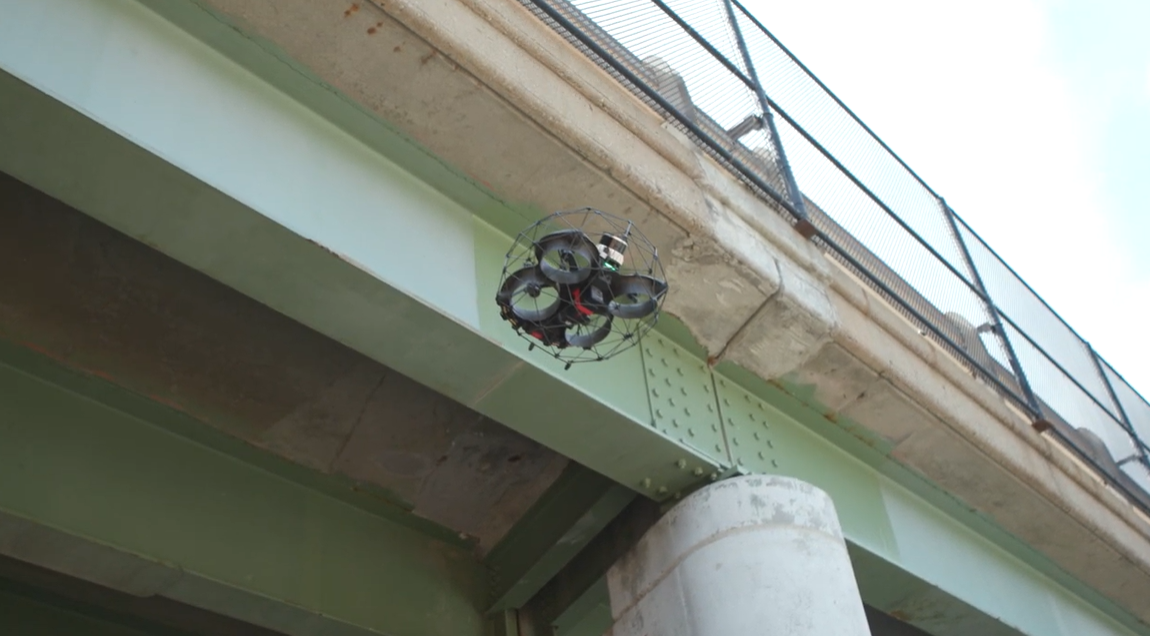
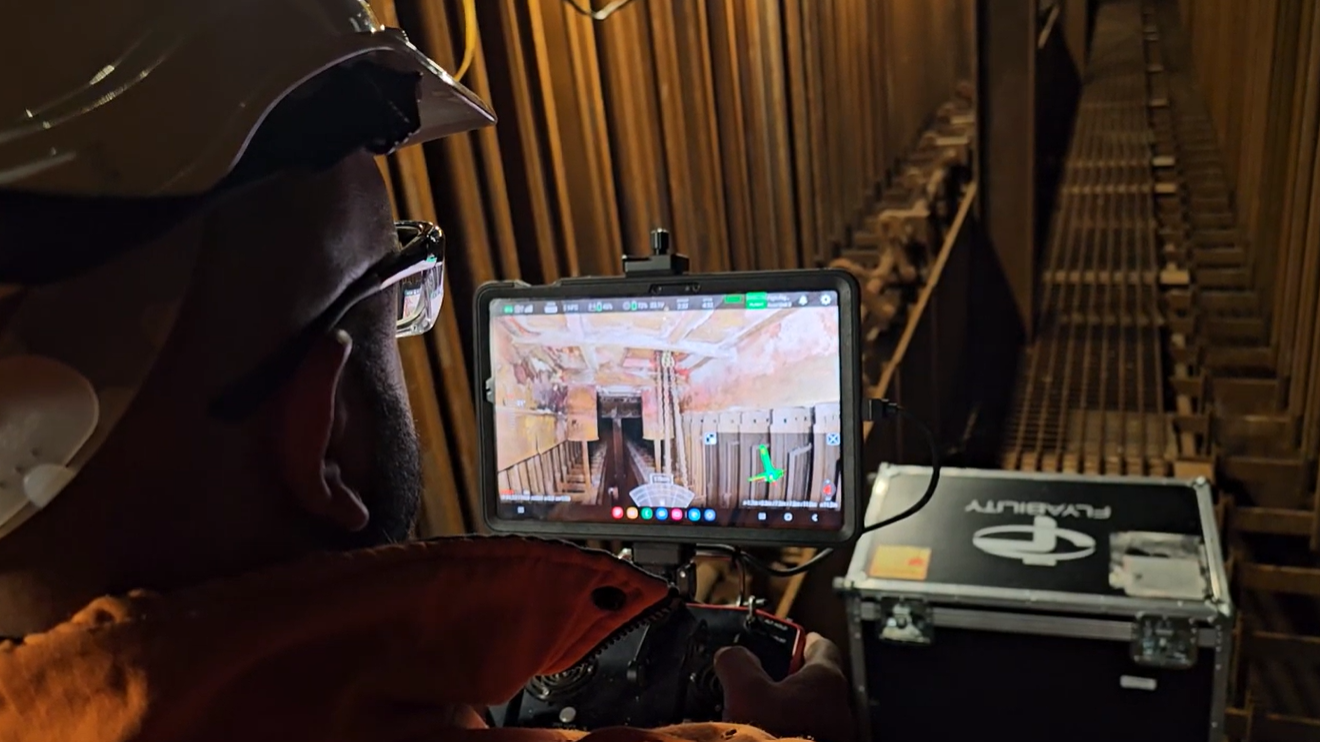
Human access to the inner structure of this bridge would be time consuming hazardous - instead, the team from UAV365 deployed the Elios 3
UAV365 was asked to use a drone to survey the space behind the hatch, gathering visual and LiDAR data to determine the condition, particularly of any timber elements, as well as capture measurements in the space. Any red flags about the overall structure, including the status of the bridge’s arches, needed to be immediately identified and reported so that maintenance planning could begin. UAV365 was also asked to minimize risk exposure, as the rail contractor expected confined space entry to be unavoidable and access was particularly complicated due to the hatch being is suspended over water and requiring a MEWP to reach.
UAV365’s assessment of the space was that it was too dangerous to send people inside with so many unknown factors about the condition, size, and layout of the void. Instead, they decided to deploy the Elios 3 drone, which is specially tailored for inspecting confined, dangerous environments like this.
Using the Elios 3 for Bridge Inspections
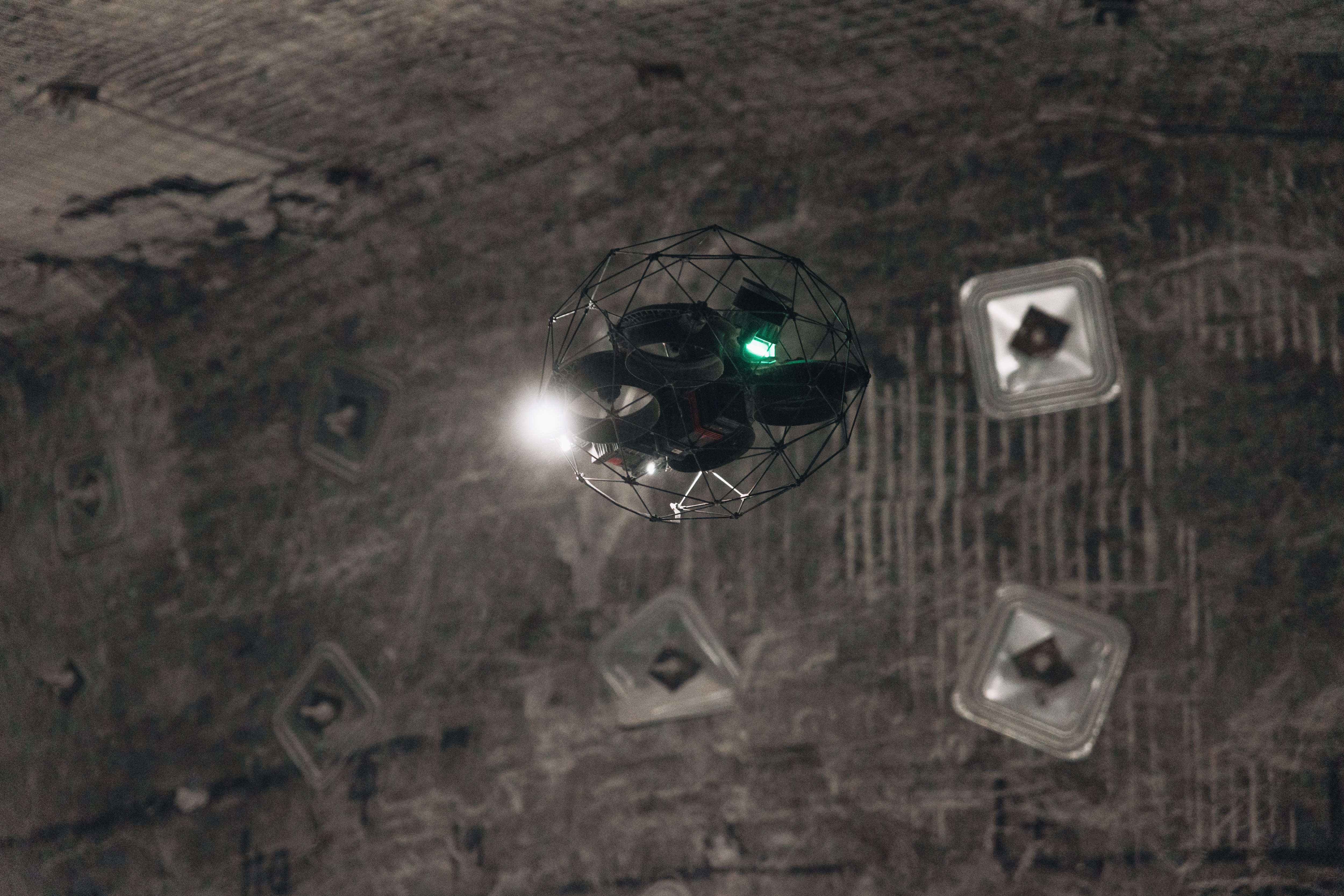
UAV365 uses the Elios 3 drone for complex, confined-space and close visual inspections in environments where human access is impossible. The Elios 3 is specially designed to operate in these areas while capturing 4K videos and LiDAR point clouds to provide clear, actionable data. The drone is equipped with a powerful lighting system, providing 16,000 lumens of light, to ensure full visibility in the darkness - the perfect tool for this mission.
UAV365 previously owned the Elios 2 drone, but upgraded to the Elios 3 after it was launched in 2022. They highlighted the reasons they knew the Elios 3 was the right solution for this job:
- Team Safety - Working in an entirely unknown environment, the Elios 3 would remotely gather data while keeping the team safe from an unknown and potentially hazardous environment. The unidentified hazards combined with limited visibility presented real risks to inspectors. The Elios 3’s remote access provides all of the necessary data while the team remains safely on the ground nearby or secured onboard the MEWP.
- Data Quality - The aim of this project was to deliver visual data in the form of a 4K video alongside an accurate point cloud. The Elios 3 is equipped with a 12MP camera and 4K video feed, as well as centimeter-accurate LiDAR. As a result, UAV365 can use the Elios 3 to collect all of the relevant data without having to deploy multiple types of equipment simultaneously or enter the space with handheld LiDAR scanners.
- Rugged Design - The Elios 3 was created with hazardous environments in mind. To that end, the drone is surrounded by a protective, collision-tolerant cage, powerful lighting, and a stable flight system that makes it easy to navigate when beyond the line of visual sight, even in small spaces. Measuring just 50x50 centimeters, it can easily investigate small, indoor areas and complete an in-depth survey. UAV365’s pilot team knew the Elios 3 would be able to tolerate the unknown conditions of the void, providing them with the confidence they could complete this task as required by the contractor.
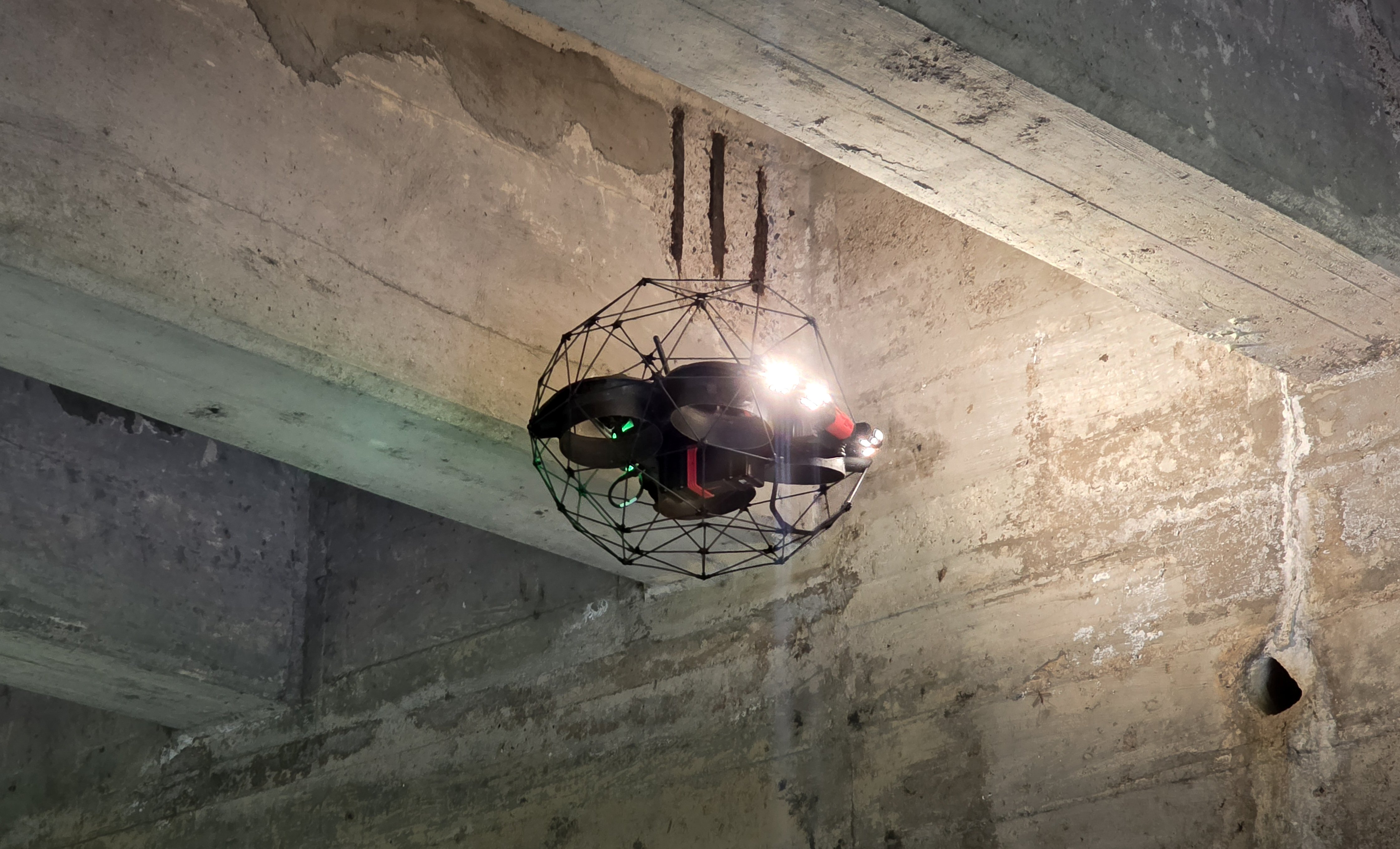
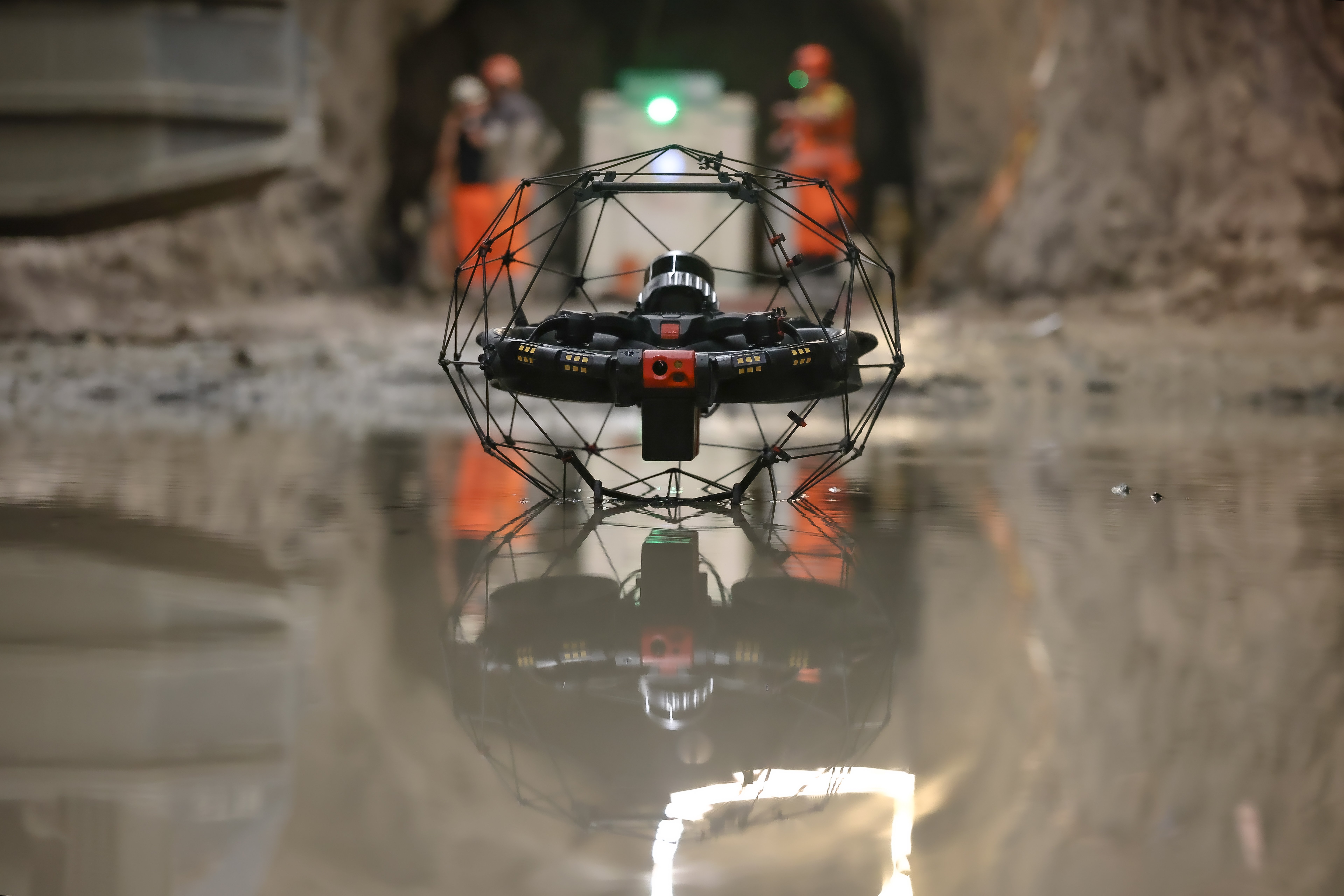
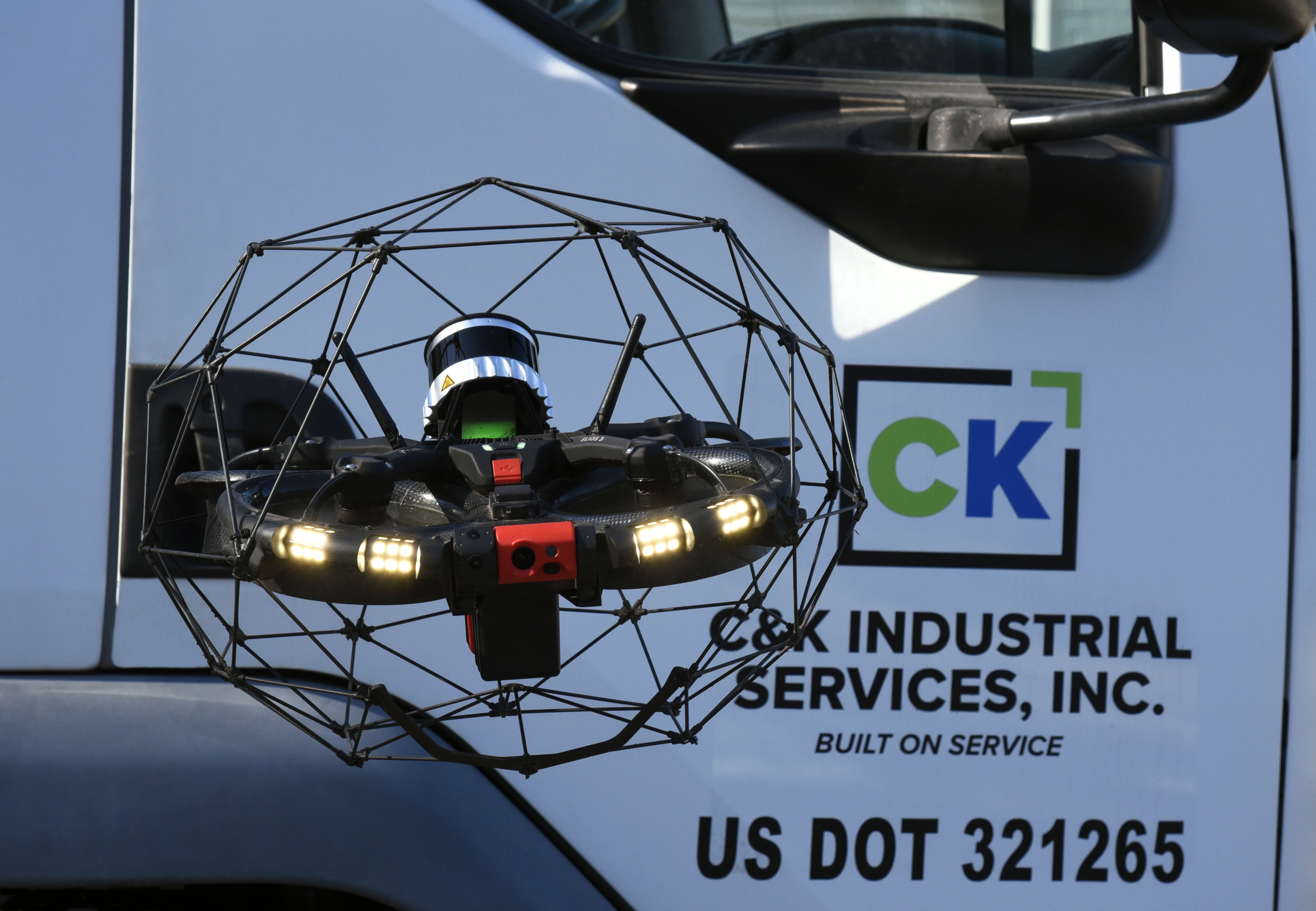
The Elios 3 is specifically designed to operate in confined, complex environments for complex data collection.
For this confined space bridge inspection, UAV365 was confident in the decision to use the Elios 3. It would deliver the necessary results while ensuring the safety of their team, paving the way for a successful project. With the equipment selected, they got ready for the drone bridge inspection.
Step-by-Step Drone Inspection of a Railbridge Underside
UAV365’s team first visited the bridge in March of 2026, where they got an overview of the position of the access hatch over the water as well as an understanding of the void’s overall size and location.
In May 2026, they returned to the site with the Elios 3. The project manager had de-vegetated the area around the hatch, providing clearer access with the MEWP so the UAV365 pilot could be close to the hatch entry. This would minimize signal disruption and provide a smoother flight experience. The pilot placed the drone’s range extender inside the hatch as well to boost the signal between the drone and remote controller, so if it flew around several corners or into new chambers, the signal could be maintained. The Elios 3 was then prepared for flight and deployed.
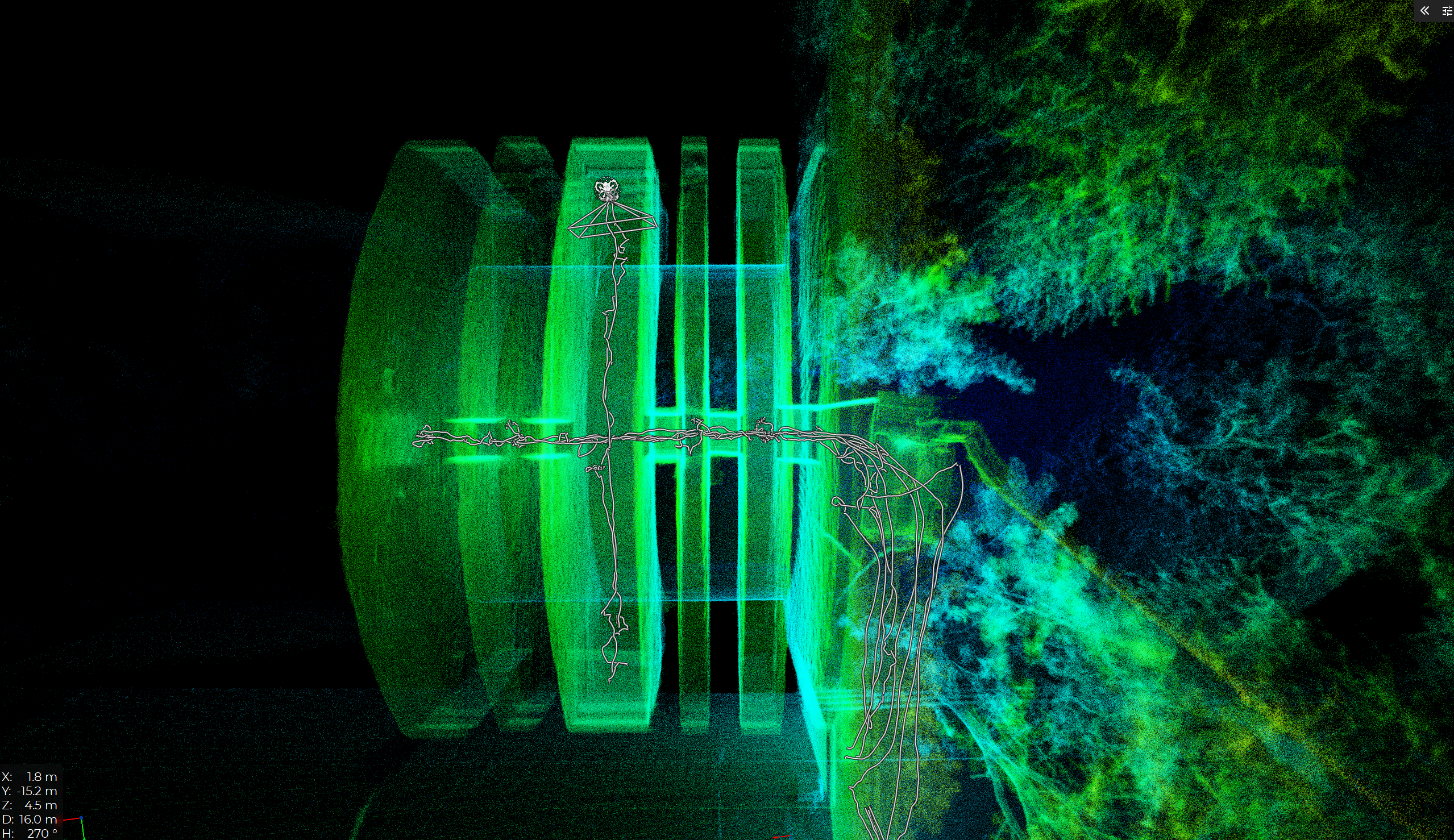
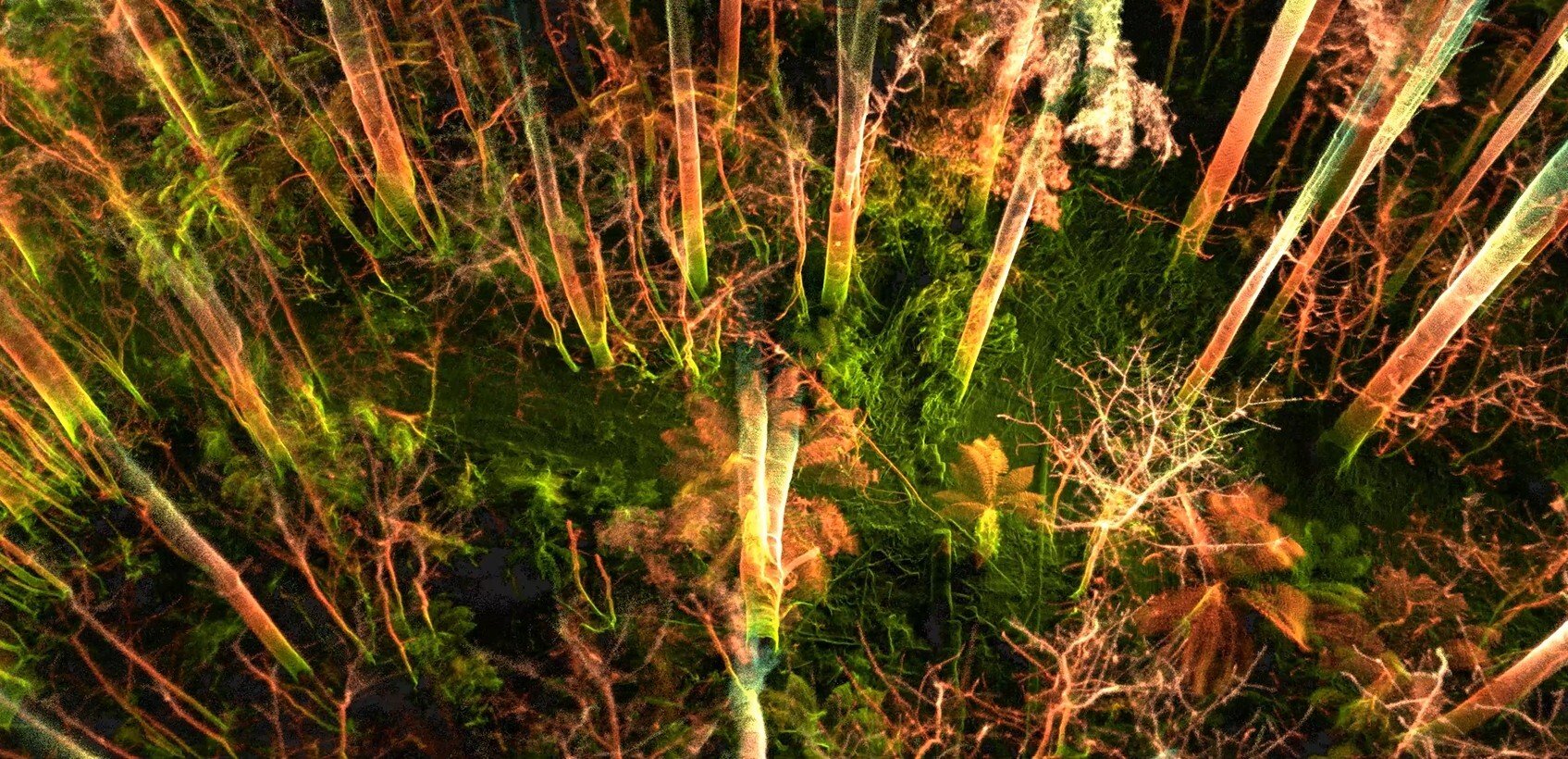
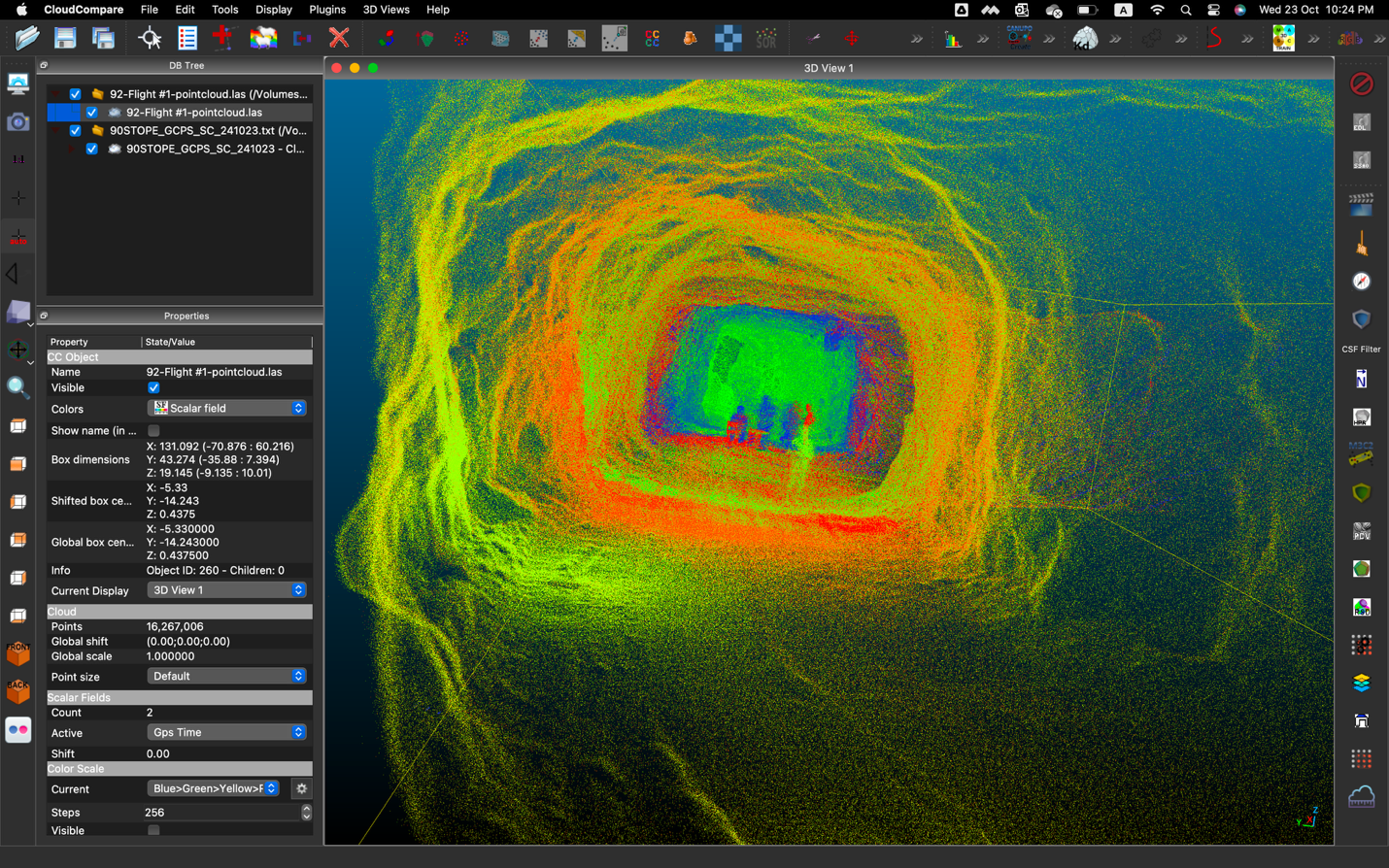
The Elios 3's LiDAR point cloud clearly shows the structure and dimensions of the void, flying perpendicular to the entry hatch to see the length of the bridge's arches
At first, the pilot carefully flew the Elios 3 around the void and arches to get a preliminary understanding of the space. This was already far more detailed than initial attempts to hang a camera inside the space. Then, the pilot followed best practices to create a 3D survey of the space, using the drone’s live point cloud to ensure total data coverage. The pilot also flew close to points of interest, such as the undersides of the bridge arches, to check for cracks in the masonry as well as buildup of damp or unidentified substances. The timber beams under each archway were flagged as an area to be especially attentive to, so the pilot carefully inspected them from all sides. The drone’s powerful lights ensured clear visibility for the pilot during the mission and would also illuminate the video feed when being inspected by the project managers.
The overall data collection took just 20 minutes, and the total inspection time, including setup, was 2 hours - a fraction of the time that confined space work would have taken, as well as substantially less complexity than human entry. The pilot returned to the UAV365 office to create the 3D model and review the video feed in Flyability’s Inspector software. The report findings were delivered within a few days, meeting the project deadline.
Impact of a Drone Bridge Inspection
UAV365 used the Elios 3 to digitize the hatch space and void in this bridge’s substructure with 0 confined space entry or additional risks to staff. Their comprehensive survey included both visual and LiDAR data, giving the bridge management company a full overview of the space’s dimensions and condition. This would have been borderline impossible with traditional inspection methods, where limited safe access would have severely hampered any efforts.
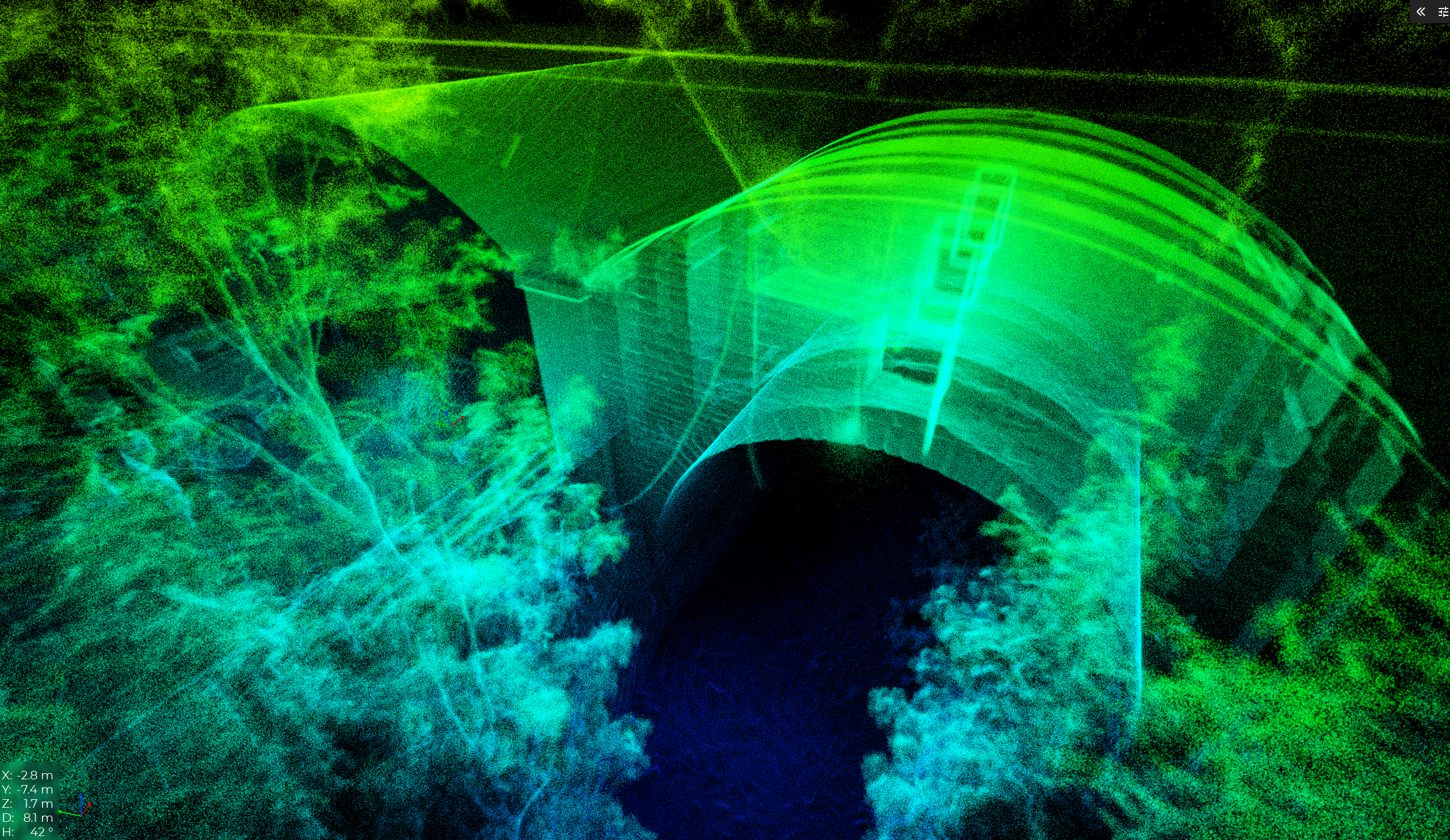
“The best part of using the Elios 3 for this project was the overall reliability and stability of the drone, which reduces pressure when operating in challenging environments where every input is critical. The integrated LiDAR sensor allows for a good representation of the flight trajectories, which we can show to the client on site after each flight to ensure every nook and cranny is inspected” – Jack Hartmann, Team UAV365
The success of this project by UAV365 impressed their client, cementing chances of them being contracted for future, similar assignments. Alongside the safety improvements and quality of results from UAV365’s work, they were able to complete the work without disrupting the rail line above the bridge and in substantially less time than standard inspection techniques. This drone bridge inspection demonstrated that the Elios 3 is a safer, faster, and more straightforward option for bridge surveys.
Learn more about infrastructure surveys with the Elios 3 drone!
.jpg)
-Jan-16-2026-10-59-56-8006-AM.png)
.jpg)
.png)